Robert Lewis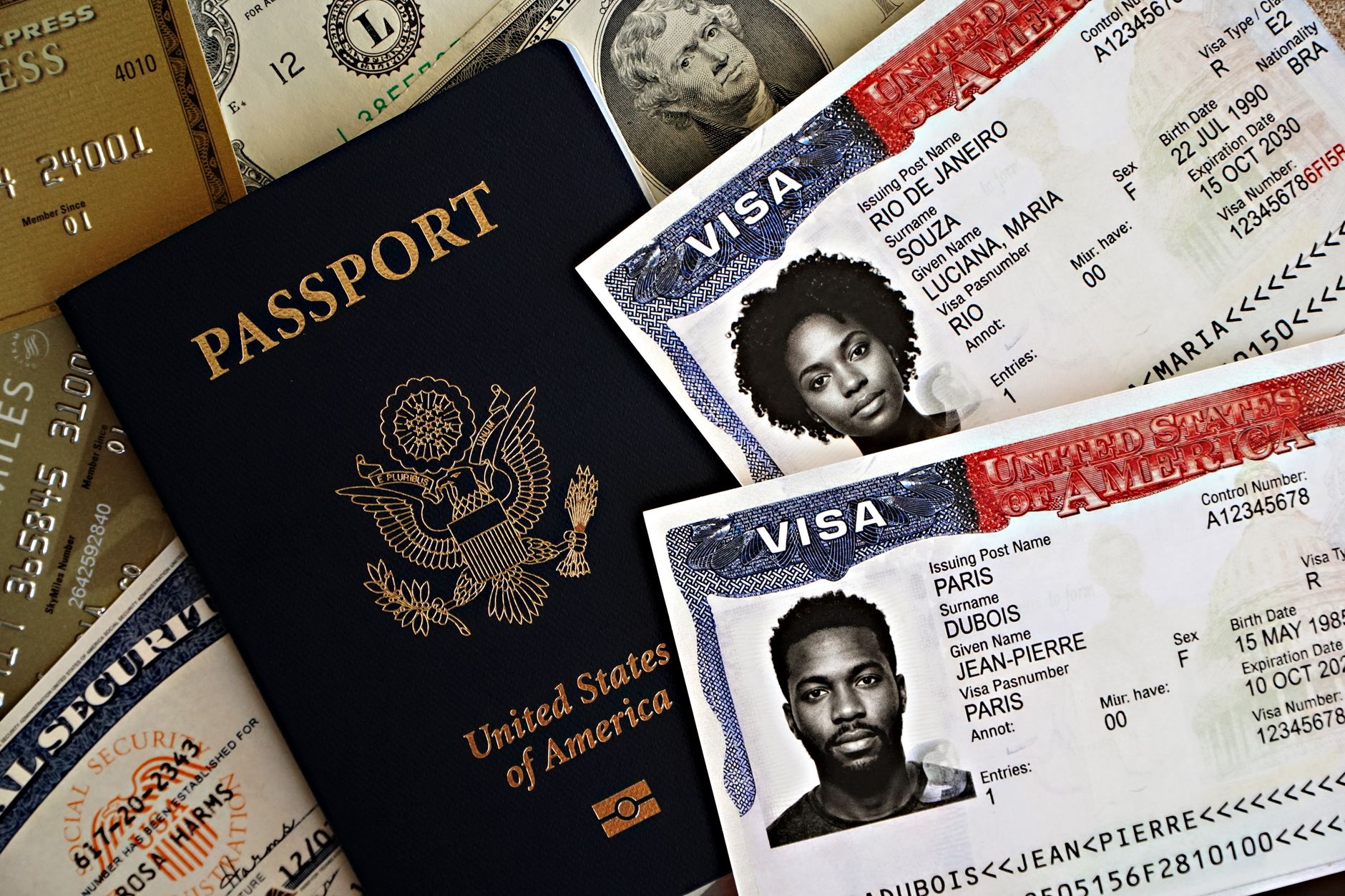
US travel requirements have changed dramatically since 9/11, reshaping the way individuals approach international travel and security measures.
Introduction to US Travel Requirements
The events of September 11, 2001, profoundly reshaped the landscape of travel to the United States. In the wake of this tragedy, the U.S. government implemented stringent travel requirements aimed at enhancing national security while balancing the need for international travel.
Prior to 9/11, the process of entering the U.S. was generally more relaxed, with minimal documentation required for many travelers. However, as security concerns escalated, significant changes were enacted:
- Visa Requirements: The introduction of more rigorous visa application processes became a priority, impacting travelers from several countries.
- ESTA Program: The Electronic System for Travel Authorization (ESTA) was established to screen travelers from Visa Waiver Program countries before their departure.
- Increased Security Measures: Airport security protocols were revamped, introducing advanced screening technologies and more thorough checks.
These adjustments to U.S. travel requirements not only aimed to safeguard citizens but also sought to restore public confidence in air travel. Understanding these changes is crucial for anyone planning to visit the United States.
The Impact of 9/11 on Travel
The events of September 11, 2001, marked a significant turning point in global travel, particularly in the United States. In the aftermath, the US travel requirements underwent extensive revisions aimed at enhancing national security while accommodating the influx of international travelers.
Before 9/11, the travel process was relatively straightforward, but the attacks prompted a reevaluation of protocols. New measures included:
- Increased Security Screening: Airports implemented stricter screening processes, including baggage checks and passenger screenings.
- Establishment of the Transportation Security Administration (TSA): The TSA was created to oversee airport security and ensure compliance with new regulations.
- Changes in Visa Policies: Many countries faced tighter visa requirements, leading to a more rigorous application process for travelers.
- Introduction of the Electronic System for Travel Authorization (ESTA): ESTA was introduced to pre-screen travelers from Visa Waiver Program countries before they board flights to the US.
These adjustments illustrate how 9/11 reshaped the landscape of US travel requirements, emphasizing security while trying to maintain accessibility for international visitors.
Understanding ESTA and Its Importance
One of the most significant changes in US travel requirements post-9/11 is the implementation of the Electronic System for Travel Authorization (ESTA). This online application process, introduced in 2009, allows travelers from Visa Waiver Program countries to obtain permission to enter the United States without needing a traditional visa.
The importance of ESTA cannot be overstated, as it enhances security measures while streamlining the travel experience. By requiring travelers to submit their information in advance, U.S. authorities can conduct background checks and assess potential risks before arrival. This proactive approach has been instrumental in boosting national security.
Travelers must apply for ESTA at least 72 hours before their flight. The application requires personal details, passport information, and answers to several eligibility questions. Once approved, ESTA typically remains valid for two years, allowing multiple entries into the U.S. during that period.
In summary, understanding ESTA is crucial for international travelers aiming to navigate US travel requirements efficiently. As the landscape of air travel continues to evolve, ESTA represents a vital link between security and convenience for millions of visitors each year.
Changes in Visa Policies
Since the events of 9/11, the US travel requirements have undergone significant changes, particularly regarding visa policies. The introduction of enhanced security measures has reshaped how travelers apply for and obtain visas.
One of the most notable changes is the establishment of the Visa Waiver Program (VWP), which allows citizens from certain countries to travel to the US for tourism or business without a visa for stays of 90 days or less. However, travelers must obtain an approved Electronic System for Travel Authorization (ESTA) before their departure.
Additionally, the application process for traditional visas has become more stringent. The US government now requires comprehensive background checks, biometric data collection, and in-person interviews for most visa applicants. These measures aim to enhance national security while ensuring that legitimate travelers can still visit the country.
Moreover, recent adjustments have included the introduction of new visa categories and the streamlining of existing ones to facilitate international travel. As the landscape of global travel continues to evolve, the US remains committed to balancing security and accessibility within its visa policies.
The Role of Security Measures
The implementation of stringent security measures has significantly reshaped US travel requirements since the events of 9/11. In the wake of the attacks, the government prioritized passenger safety, leading to the introduction of a myriad of protocols aimed at enhancing security at airports and borders.
One of the most notable changes was the establishment of the Transportation Security Administration (TSA), which oversees airport security screening processes. This agency introduced various measures that travelers must now adhere to, including:
- Increased screening procedures for carry-on luggage
- Strict regulations on liquids and gels
- Enhanced pat-downs and body scans
Moreover, the focus on securing international travel has led to the development of the Electronic System for Travel Authorization (ESTA), which mandates that travelers from visa-waiver countries apply for authorization before boarding flights to the US. These changes in security protocols not only aim to protect travelers but also serve as a deterrent against potential threats.
As the landscape of global travel continues to evolve, understanding these US travel requirements is essential for anyone planning to visit the country.
How Travelers Adapted to New Rules
The evolution of US travel requirements since the events of 9/11 has prompted travelers to adapt in various ways to ensure compliance and safety. As security measures intensified, travelers found themselves navigating a more complex landscape of regulations and protocols.
One significant adaptation has been the shift toward digital processes. With the introduction of the Electronic System for Travel Authorization (ESTA), travelers from eligible countries now enjoy a streamlined application process that can be completed online. This innovation has reduced waiting times and facilitated easier travel planning.
Moreover, many travelers have become more diligent in preparing their documentation. Familiarity with visa policies and the need for additional documentation has increased, leading to enhanced awareness and preparedness.
Additionally, security screenings have also evolved, requiring travelers to adapt their packing habits. Many now prioritize packing light and ensuring easy access to electronic devices and liquids during security checks.
In essence, the adaptation to the new US travel requirements has not only transformed how travelers approach their journeys but has also fostered a culture of compliance and awareness in air travel.
Future of US Travel Requirements
The future of US travel requirements is set to evolve as global circumstances continue to change. With advancements in technology and shifting geopolitical landscapes, travelers may face new protocols aimed at enhancing safety and efficiency.
One potential change is the increased use of biometric data in the travel process. This could streamline the verification of identities and reduce wait times at borders. Authorities are exploring systems that integrate facial recognition and fingerprint scanning to create a more seamless experience for travelers.
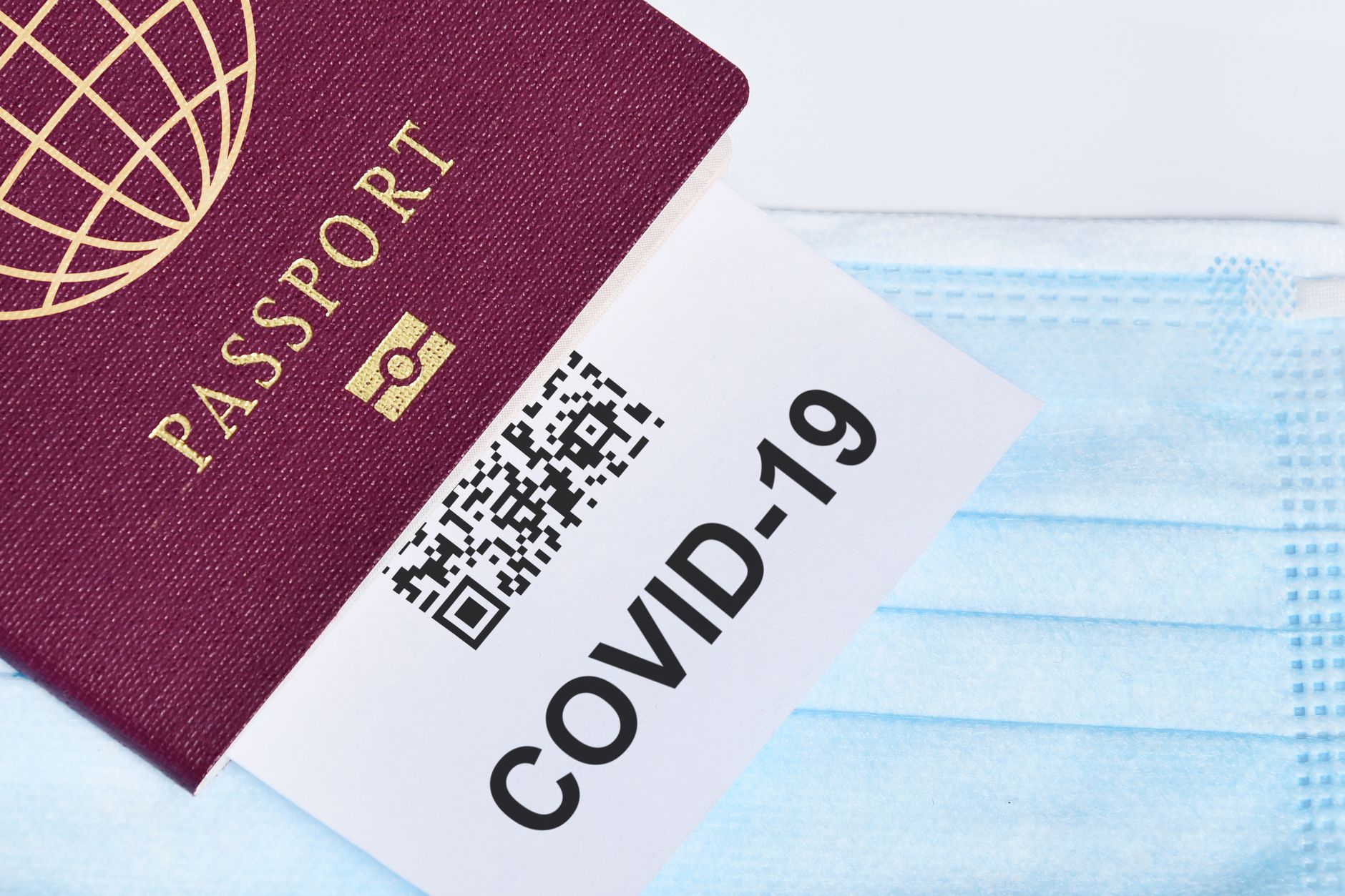
Furthermore, as international relations fluctuate, visa policies may undergo further adjustments. Countries may establish reciprocal agreements, easing the travel process for tourists and business travelers alike. In addition, the integration of digital health passports could become a standard requirement, especially in light of health concerns following the pandemic.
Travelers will need to stay informed about evolving US travel requirements to ensure compliance and enhance their travel experience. As the landscape continues to adapt, understanding these changes will be essential for planning future trips and navigating the complexities of global travel.
In conclusion, the future of US travel requirements promises both challenges and opportunities as the world embraces new norms.
Photo by DΛVΞ GΛRCIΛ on Pexels
Read the original
Indonesian airports reopen: Safe travel returns after chaos · Guangzhou New Delhi direct route: Is it the best choice for travelers? · PhonePe Visa Payment Solutions: Smart and Simple Options