Robert Lewis
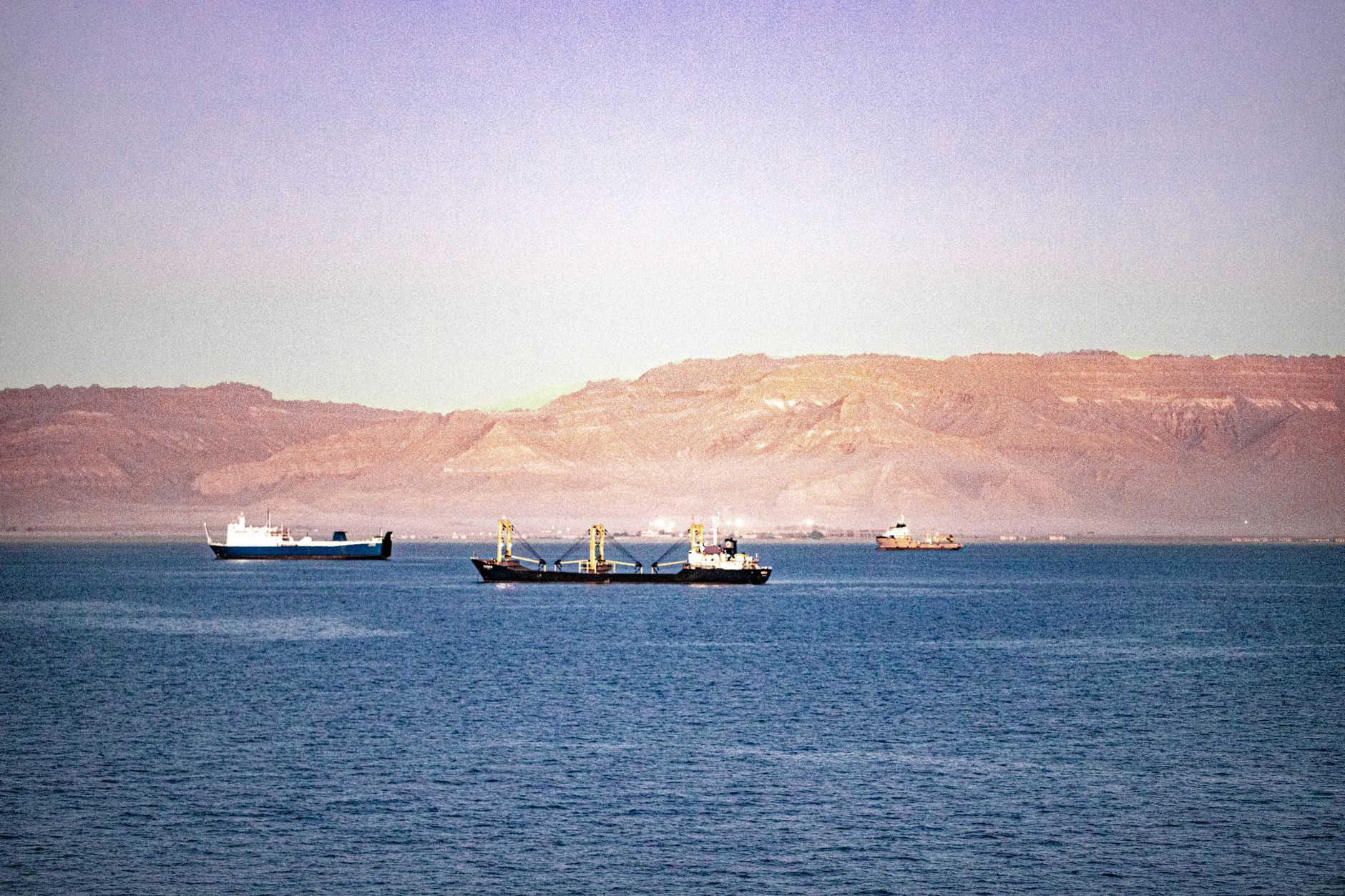
Iran Strait of Hormuz is a vital waterway for global shipping and travel. Understanding the sticking points in Iran’s proposal to reopen this strategic route is essential for travelers and businesses alike.
Understanding the Importance of the Strait
The Strait of Hormuz is a critical maritime corridor that plays an essential role in global trade and energy transportation. Connecting the Persian Gulf with the Gulf of Oman, it serves as a gateway for a significant portion of the world’s oil supply. Understanding the importance of this strait is crucial for various reasons.
- Global Energy Security: Approximately 20% of the world’s oil passes through this narrow passage, making it vital for energy-dependent countries.
- Geopolitical Tensions: The strait has been a focal point for conflicts and diplomatic negotiations involving Iran and its neighbors, impacting international relations.
- Trade Routes: The Strait of Hormuz is not only about oil; it is also a key route for liquefied natural gas and other goods, underscoring its economic significance.
As discussions continue regarding Iran’s proposal to reopen the strait, the implications for safety and navigation remain a primary concern for maritime stakeholders globally.
Current Situation in Iran
The current situation in Iran remains tense as discussions surrounding the Strait of Hormuz continue to evolve. This vital waterway, which facilitates the passage of a significant portion of the world’s oil supply, has become a focal point for international diplomacy.
Recent proposals from Iran have sparked debates regarding maritime security and freedom of navigation. Key sticking points include:
- Military Presence: The presence of foreign naval forces in the region has raised concerns among Iranian officials.
- Trade Regulations: Iran seeks assurances that its shipping lanes will be respected and protected.
- Diplomatic Engagement: Continued dialogue between Iran and neighboring countries is essential to ensure stability.
As the world watches closely, the outcome of these discussions will significantly impact the safety and security of travel through the Strait of Hormuz, emphasizing the need for collaborative efforts to maintain peace in this critical area.
Travel Implications of Reopening
The reopening of the Iran Strait of Hormuz carries significant travel implications for global shipping routes. As one of the world’s most vital waterways, the strait facilitates a substantial portion of oil transport and trade. With heightened security measures and diplomatic negotiations underway, travelers and shipping companies are cautiously optimistic about safer passage through this crucial corridor.
Some key implications include:
- Reduced Shipping Costs: A stable and secure Strait of Hormuz can lead to lower freight costs, benefiting international trade.
- Improved Supply Chain Reliability: Companies can expect fewer disruptions, allowing for more predictable delivery schedules.
- Increased Tourism: A safer environment may encourage tourism in nearby regions, boosting local economies.
However, challenges remain, and stakeholders are urged to monitor developments closely as the situation evolves. The Iran Strait of Hormuz remains a focal point for international maritime travel and trade, making its reopening a critical subject of interest.
Key Challenges in the Proposal
As discussions continue regarding the reopening of the Strait of Hormuz, several key challenges have emerged that could hinder progress.
- Security Concerns: The region has a long history of conflicts, making safety a primary concern for both travelers and shipping companies.
- Political Tensions: Ongoing disputes between Iran and other nations complicate negotiations, with differing agendas and trust issues at play.
- Environmental Regulations: Any reopening plan must address environmental protections, as the strait is ecologically sensitive, and compliance can be costly.
- Economic Viability: The potential costs involved in securing safe passage may deter investment and participation from international stakeholders.
These challenges illustrate the complexities involved in navigating the proposal for the Iran Strait of Hormuz, necessitating careful consideration and collaboration among all parties to ensure a safe travel route.
Future of the Strait of Hormuz
The future of the Strait of Hormuz remains uncertain as geopolitical tensions continue to influence maritime safety. As one of the world’s most crucial chokepoints, the Iran Strait of Hormuz plays a vital role in global oil shipments and trade routes. Experts argue that a collaborative approach among regional stakeholders is essential to ensure safe passage through these waters.
Several factors will determine the future stability of the strait:
- Diplomatic Relations: Improved relations between Iran and neighboring countries could lead to a more secure environment.
- International Cooperation: Increased presence of international maritime forces may deter potential threats.
- Economic Incentives: A focus on economic benefits for all parties involved can encourage compliance with safety measures.
In conclusion, while challenges persist, a concerted effort towards collaboration could pave the way for a safer and more navigable Strait of Hormuz.
Ensuring the safety of maritime routes in the Iran Strait of Hormuz is crucial for global trade and energy supplies. Recent diplomatic efforts have aimed to enhance security measures in the Iran Strait of Hormuz to prevent potential conflicts and ensure safe travel.
Photo by Eric Seddon on Pexels
Read the original
Visa rules for Russians: New changes announced by EU Commission · Bengaluru direct flight to Switzerland: Is it the best option? · Harbin Ice Festival 2026: Is It Worth the Trip?