Robert Lewis
free tourist e-visas are being proposed by India for citizens of 11 Southeast Asian countries. This initiative aims to boost tourism and strengthen ties between nations.
Overview of the proposed e-visa policy
The Indian government has recently proposed a new policy aimed at boosting tourism by offering free tourist e-visas to citizens of 11 Southeast Asian countries. This initiative is designed to simplify the travel process and attract more visitors to India, enhancing cultural exchange and economic growth.
The proposal includes a wide range of benefits for travelers, including:
- Streamlined Application Process: The e-visa system allows for a quick and easy online application, reducing the need for lengthy paperwork.
- No Visa Fees: By waiving the visa fees, the government hopes to encourage more tourists to explore India’s diverse landscapes and rich heritage.
- Increased Stay Duration: The e-visas may offer longer durations for stays, allowing travelers to fully experience the cultural and historical attractions.
This move is seen as a significant step toward fostering international relations and promoting tourism in India. With the introduction of free tourist e-visas, the country aims to position itself as a favorable destination for travelers from Southeast Asia, encouraging them to discover its vibrant cities and serene natural wonders.
Benefits of free tourist e-visas
The introduction of free tourist e-visas is set to revolutionize travel for many individuals from Southeast Asia. This innovative policy aims to enhance tourism while fostering stronger ties between countries. Here are some notable benefits of free tourist e-visas:
- Cost-effective travel: By eliminating the visa fee, travelers can save money that can be used for other expenses, such as accommodation and local attractions.
- Streamlined application process: E-visas simplify the visa application, allowing travelers to apply online without the need for extensive paperwork or in-person visits to embassies.
- Increased tourist flow: With free tourist e-visas, more travelers are likely to visit, boosting local economies and encouraging cultural exchange.
- Enhanced travel flexibility: The ease of obtaining an e-visa allows tourists to plan trips more spontaneously, which can lead to increased tourism in off-peak seasons.
- Strengthened bilateral relations: This initiative can strengthen diplomatic ties between India and the participating Southeast Asian countries, fostering long-term partnerships.
In summary, the benefits of free tourist e-visas present an attractive opportunity for travelers and destination countries alike.
Countries eligible for the e-visa
As part of its new initiative, India has proposed free tourist e-visas for citizens of 11 Southeast Asian countries. This policy aims to enhance tourism and strengthen bilateral ties. The eligible countries for this e-visa scheme include:
- Indonesia
- Malaysia
- Singapore
- Thailand
- Vietnam
- Philippines
- Brunei
- Myanmar
- Cambodia
- Laos
- Timor-Leste
The introduction of free tourist e-visas is expected to simplify the travel process, making it more accessible for tourists from these nations. By removing visa fees, India hopes to attract more visitors, thus boosting the local economy and promoting cultural exchange. This move aligns with broader efforts to promote tourism as a key component of India’s economic strategy. With this initiative, travelers can expect a more straightforward and cost-effective way to experience India’s rich heritage and diverse attractions.
Impact on tourism in India
The introduction of free tourist e-visas in India is expected to have a significant impact on tourism, particularly from Southeast Asia. With the proposal aimed at citizens from 11 countries, the initiative is designed to enhance travel accessibility and promote cultural exchange.
Tourism experts believe that this move could lead to a surge in the number of international visitors, contributing to economic growth in the region. Some potential effects include:
- Increased Visitor Numbers: The elimination of visa fees may attract more travelers who previously found costs prohibitive.
- Boost for Local Businesses: A rise in tourist numbers could benefit local hotels, restaurants, and attractions, stimulating the economy.
- Cultural Exchange: Free tourist e-visas may encourage greater interaction between Indian and Southeast Asian cultures, fostering understanding and goodwill.
- Infrastructure Development: Increased tourism could lead to better infrastructure and services to accommodate a growing number of visitors.
Overall, the introduction of free tourist e-visas could position India as a prime destination in Southeast Asia, revitalizing its tourism sector significantly.
How to apply for the e-visa
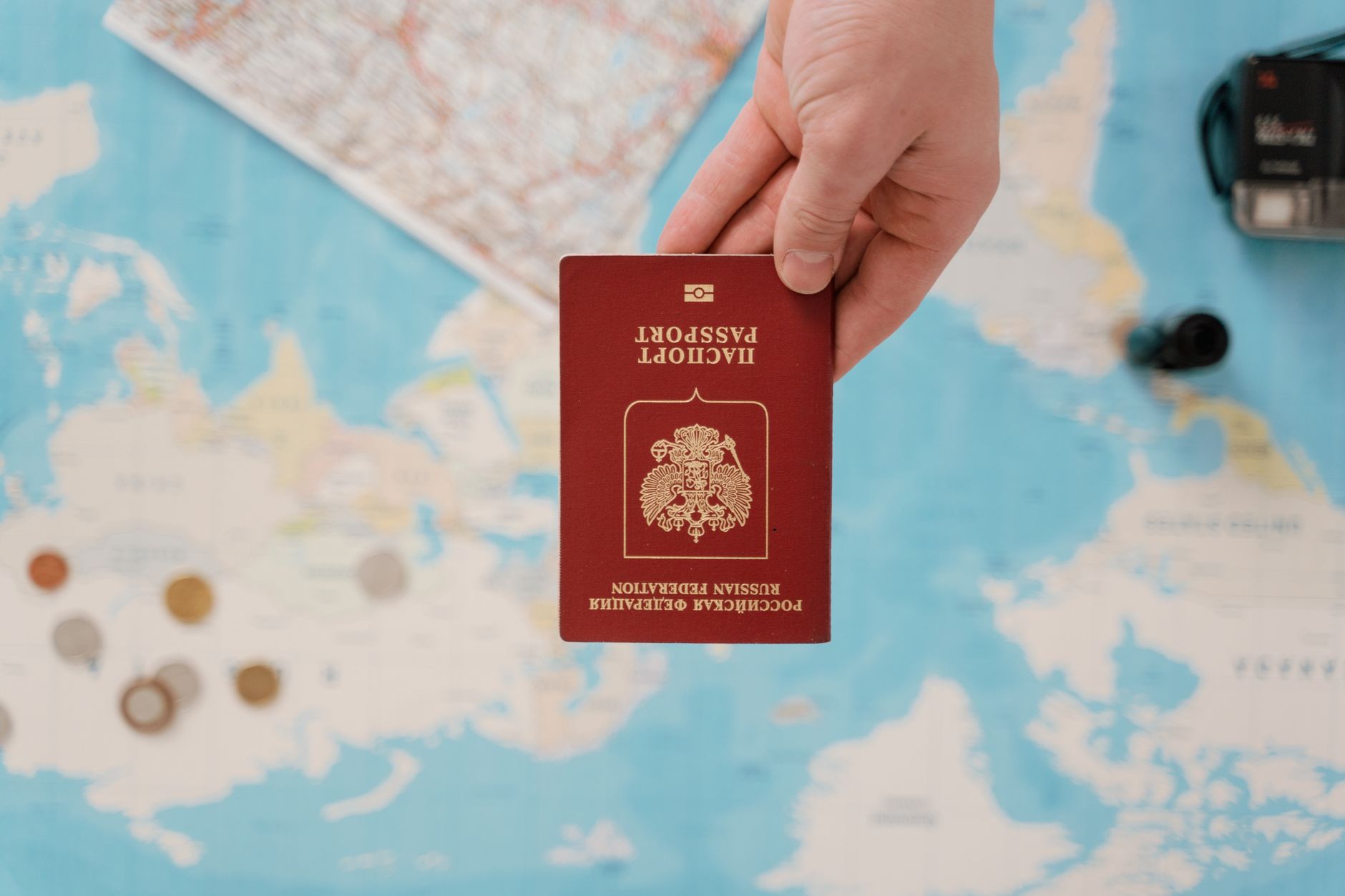
Applying for the free tourist e-visa is a straightforward process designed to facilitate travel for citizens of eligible Southeast Asian countries. To begin, travelers need to visit the official government website dedicated to the e-visa application.
The application process typically involves the following steps:
- Fill out the online application form: Provide personal details, travel information, and passport information.
- Upload required documents: Prepare digital copies of your passport and a recent passport-sized photograph.
- Review and submit: Double-check all information for accuracy before submitting the application.
- Receive confirmation: After submission, applicants will receive a confirmation email with a reference number.
- Track your application: Use the provided reference number to monitor the status of your application online.
Once approved, travelers can download and print their e-visa, which should be presented upon arrival in India. It is important to apply for the free tourist e-visa well in advance of your trip to ensure timely processing and avoid any last-minute complications.
Comparative analysis with other visa policies
When considering the introduction of free tourist e-visas, it is essential to compare this policy with existing visa frameworks in other countries. Several nations have implemented similar initiatives, enhancing their appeal to international travelers.
- Electronic Travel Authorizations (ETAs): Countries like Australia and Canada offer ETAs, which are low-cost travel authorizations that simplify the entry process for tourists.
- Visa-on-Arrival (VoA): Countries such as Thailand and Indonesia provide VoA options, allowing travelers to obtain a visa upon arrival at the airport. However, this can lead to longer wait times and uncertainty.
- Reciprocal Visa Waivers: Some nations, particularly in Europe, have established bilateral agreements that allow citizens to travel without visas for short stays, which has proven effective in boosting tourism.
The proposed free tourist e-visas for citizens of 11 Southeast Asian countries would streamline the entry process while eliminating costs, making it a highly competitive option. By reducing barriers to entry, India can enhance its position as a preferred destination, especially when compared to existing policies in neighboring countries.
Future of travel in the region
The future of travel in the region appears promising with the introduction of free tourist e-visas. This move could redefine the way travelers from Southeast Asia experience India, fostering greater cultural exchange and economic ties. As countries adapt to the evolving landscape of international travel, the adoption of such e-visa policies may become more common.
With the increasing digitization of immigration processes, free tourist e-visas present a streamlined approach to visa applications, reducing the bureaucratic hurdles that often deter potential visitors. The shift towards more accessible travel options could encourage neighboring countries to reconsider their visa regulations, leading to a more integrated Southeast Asian tourism market.
Travelers stand to benefit from this initiative through increased flexibility and lower costs, making it easier to plan spontaneous trips. Furthermore, the anticipation of exploring new destinations with minimal barriers can enhance travelers’ experiences.
As the region embraces these changes, it is essential for stakeholders to ensure that infrastructure, hospitality, and local businesses are prepared to handle the potential influx of tourists. The enhancement of travel experiences, paired with free tourist e-visas, could significantly contribute to the region’s economic growth in the coming years.
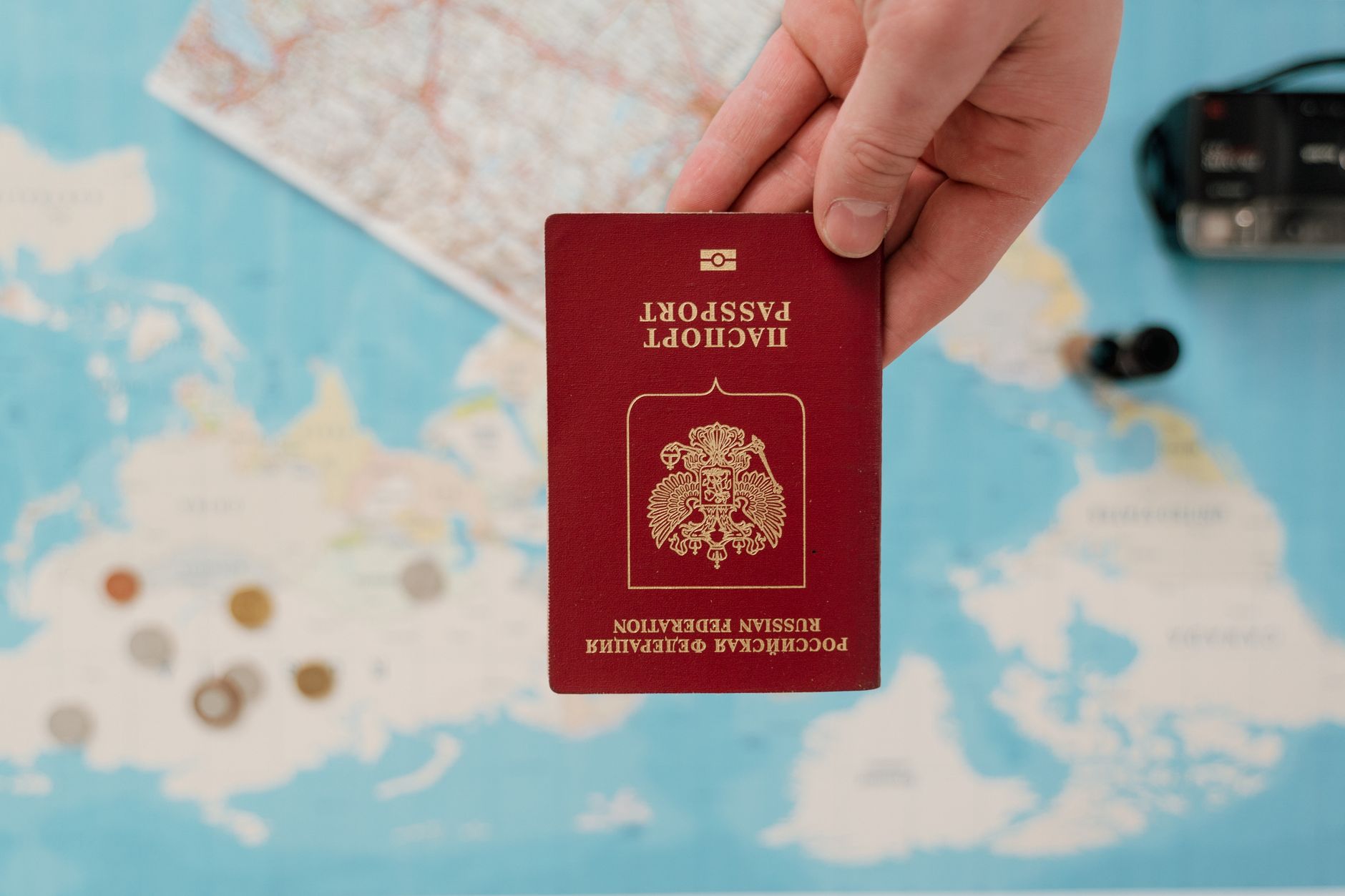
Photo by Tima Miroshnichenko on Pexels
References
Related reading
Free e-visa for ASEAN tourists: Simple and Proven Benefits · Shirdi Airport Hotel: Best MoU Signed with Taj Group · Free e-visa: PM Modi’s Smart Proposal at ASEAN Summit