Robert Lewis
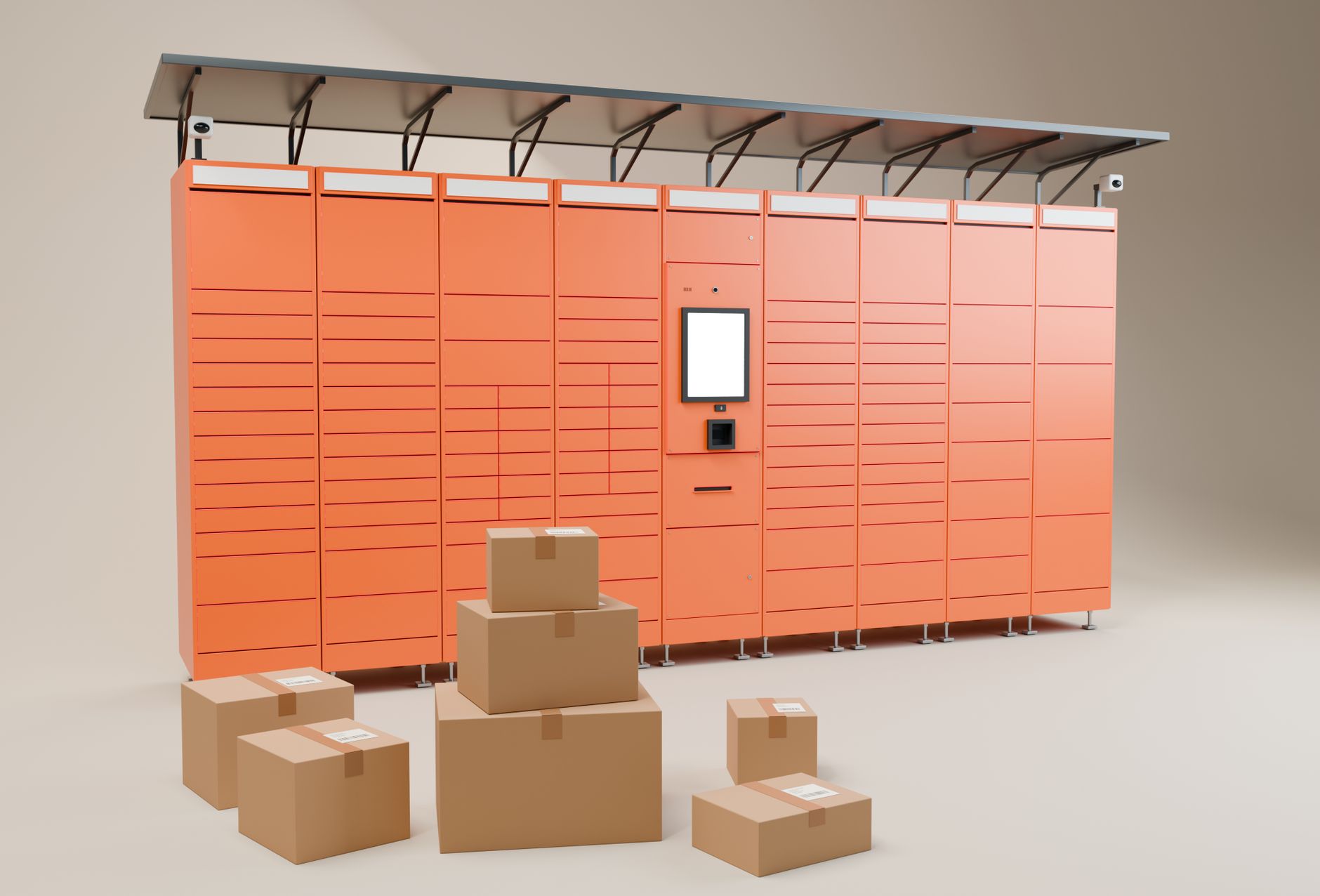
Self-bag drop is now available for Air India’s international flights, marking a significant advancement in travel convenience. This innovative feature aims to streamline the check-in process for passengers.
What is Self-Bag Drop?
Self-bag drop is an innovative process that allows passengers to check in their luggage independently, streamlining the airport experience. This system has been increasingly adopted by airlines worldwide, including Air India, which has now become the first in the country to implement self-bag drop for international flights.
With self-bag drop, travelers can enjoy a more efficient check-in process, reducing waiting times significantly. Here’s how it works:
- Check-in kiosks: Passengers begin by checking in at self-service kiosks, where they can print their boarding passes and luggage tags.
- Bag drop area: After obtaining their luggage tags, travelers proceed to a designated self-bag drop area to deposit their bags.
- Verification: The system verifies the luggage tags and ensures the bags meet airline regulations before they are tagged for the flight.
This new feature not only enhances the travel experience but also aligns with modern technological trends in the aviation industry. By adopting self-bag drop, Air India aims to provide a seamless journey for its passengers, making air travel more convenient and efficient.
Benefits of Self-Bag Drop for Travelers
The introduction of self-bag drop technology has transformed the travel experience for many passengers. Here are some key benefits of this innovative system:
- Time Efficiency: Self-bag drop allows travelers to check in their luggage without waiting in long lines. This expedites the process, enabling passengers to move swiftly to security checks and boarding gates.
- Increased Control: Travelers can manage their own baggage check-in at their convenience, ensuring they are in control of the process and can easily verify their luggage is tagged correctly.
- Enhanced Convenience: Operating self-bag drop kiosks often means that they are available 24/7, which means flexibility for travelers arriving at different times.
- Reduced Physical Contact: In a post-pandemic world, minimizing contact with staff can provide peace of mind for travelers concerned about health and safety.
- Streamlined Airport Operations: Airlines can optimize staff allocation and reduce congestion at check-in areas, leading to a smoother overall travel experience.
With Air India being the first to implement self-bag drop for international flights, this advancement is poised to set a new standard for air travel efficiency.
How Air India Implements Self-Bag Drop
Air India has taken a significant step towards modernizing its operations by implementing the self-bag drop system for international flights. This initiative marks a first for the country, aiming to streamline the check-in process and enhance passenger convenience.
The airline has strategically placed self-bag drop kiosks at various airports, allowing travelers to check in their luggage without the need for assistance from staff. Passengers can easily follow the on-screen instructions to tag their bags and drop them off at designated locations. This not only reduces wait times but also minimizes crowding at traditional check-in counters.
To ensure a seamless experience, Air India has invested in user-friendly technology. The kiosks are equipped with advanced imaging systems that verify the baggage and confirm the drop-off process. Travelers are given real-time updates on their luggage status through notifications, providing peace of mind.
Furthermore, the airline has conducted training sessions for its ground staff to assist passengers as needed, ensuring a smooth transition to this new system. With the self-bag drop in place, Air India aims to enhance operational efficiency while offering a more enjoyable travel experience for its customers.
Customer Reactions to Self-Bag Drop
As Air India introduces self-bag drop systems for international flights, customer reactions have been mixed, reflecting a blend of excitement and skepticism. Many travelers appreciate the convenience that self-bag drop offers, allowing them to check in their luggage without the need for long queues at the counter.
“It’s a game changer,” said one frequent flyer. “I can now manage my time better at the airport and skip the hassle of waiting to check in my bags.” However, not all feedback has been positive. Some passengers express concerns about the potential for technical glitches and the learning curve associated with using the new technology.
“I worry about how it will work in practice,” noted another traveler. “Not everyone is tech-savvy, and the last thing I want is to struggle with a machine when I’m trying to catch a flight.”
Despite the concerns, many are optimistic about the future of air travel with innovations like self-bag drop. As more travelers become familiar with the process, it could very well become a standard part of flying with Air India.
In summary, while the initial response is mixed, the potential benefits of self-bag drop are creating considerable buzz among passengers.
Comparing Self-Bag Drop with Traditional Methods
As travelers seek more efficient ways to navigate airports, the introduction of self-bag drop systems is transforming the check-in experience. When comparing self-bag drop with traditional methods, several key differences emerge.
- Time Efficiency: Self-bag drop kiosks allow passengers to check in and drop off their luggage quickly, often reducing wait times significantly compared to traditional check-in counters.
- Automation: The automated nature of self-bag drop systems minimizes human error, ensuring that bags are tagged correctly and routed to the right flights.
- Passenger Control: With self-bag drop, travelers have greater control over the check-in process, leading to a more personalized experience. They can manage their time more effectively without relying on airline staff.
- Operational Cost Savings: Airlines can reduce staffing needs at check-in counters, allowing them to allocate resources more efficiently across airport operations.
However, while self-bag drop presents clear advantages, some travelers may still prefer the traditional methods for the personal interaction and assistance they provide, particularly during complex travel scenarios.
Future of Air Travel Innovations
The landscape of air travel is constantly evolving, with innovations aimed at enhancing the passenger experience. One of the most promising advancements is the self-bag drop system, which is rapidly gaining traction among airlines globally. As airports seek to improve efficiency and reduce wait times, this technology stands out as a game-changer.
With the increasing demand for streamlined travel processes, the future of air travel may very well hinge on such innovations. Airlines are not only looking to improve operational efficiency but also to provide a more personalized experience for travelers. This shift is particularly evident in regions where air travel is booming, as seen with Air India’s recent implementation of self-bag drop for international flights.
As airlines adopt these technologies, we can expect a variety of benefits, including:
- Reduced check-in times
- Increased passenger autonomy
- Minimized crowding at airport terminals
- Enhanced baggage tracking capabilities
Ultimately, the success of the self-bag drop system will depend on how effectively it can be integrated into the broader travel experience, paving the way for a more efficient future in air travel.
Conclusion: Is It Worth It?
In conclusion, the introduction of self-bag drop systems by Air India marks a significant shift in the air travel experience. As travelers continue to seek convenience and efficiency, this innovation presents a viable solution to long-standing issues associated with baggage handling at airports. With self-bag drop, passengers can enjoy a streamlined check-in process, reducing wait times and minimizing the stress often experienced at busy terminals.
However, whether self-bag drop is truly worth it depends on individual preferences and travel habits. For frequent flyers and tech-savvy travelers, the ability to manage their luggage independently could enhance their overall journey. Conversely, those who prefer personal interaction or have concerns about technology might find the transition challenging.
Moreover, the success of self-bag drop at Air India will likely influence other airlines to adopt similar systems. As the industry evolves, the integration of such innovations could redefine air travel standards, aligning with the growing demand for efficiency and customer satisfaction.
Ultimately, while self-bag drop offers promising advantages, it is essential for travelers to consider their unique needs and comfort levels when embracing this new method.
Photo by Mockaps on Pexels