Robert Lewis
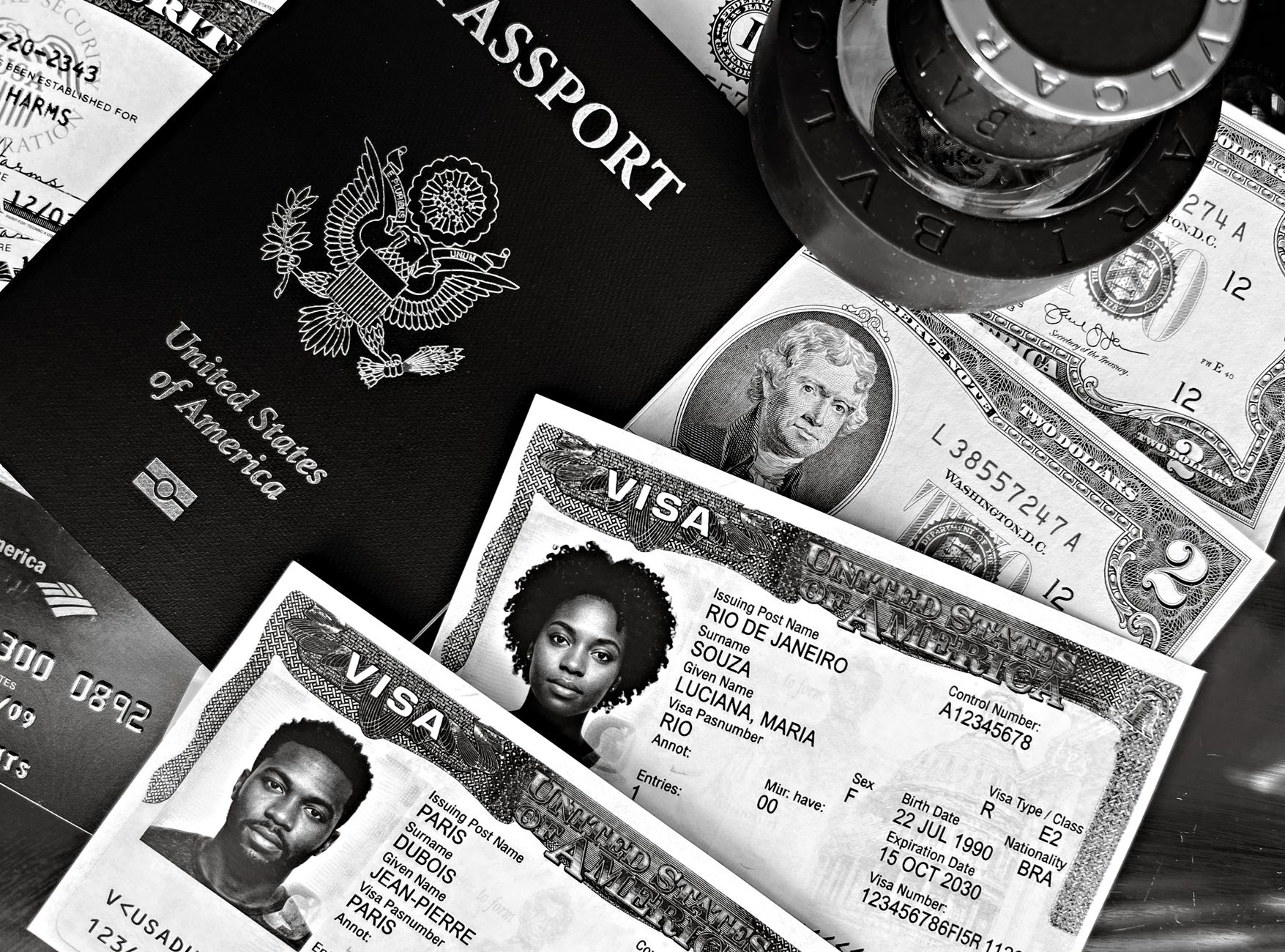
India visa rules have been updated, with the government cutting visa categories from 13 to 9 and simplifying application forms by 70%. This significant change aims to streamline the visa process for travelers.
Overview of the New India Visa Rules
The Indian government has announced significant changes to its visa rules, reducing the number of visa categories from 13 to 9. This decision is part of a broader effort to streamline the application process and make it more accessible to foreign nationals wishing to visit India.
As part of the new framework, the application forms have been simplified by 70%, aiming to enhance user experience and efficiency. The changes are expected to facilitate smoother entry for tourists, business travelers, and students alike.
Key points of the new visa rules include:
- Reduction of categories allows for clearer guidelines.
- Increased processing speed for visa applications.
- Improved online systems for application submissions.
- Enhanced support for applicants to navigate the new requirements.
These modifications are seen as a strategic move to boost tourism and foreign investment, aligning with India’s vision to become a global hub for travel and commerce. Observers are keen to see how these changes will impact the overall experience for international visitors.
Impact of Visa Category Reduction
The recent decision by the Indian government to reduce the number of visa categories has sparked considerable debate among travelers and immigration experts. By cutting the categories from 13 to 9, the new India visa rules aim to simplify the application process significantly.
One of the most notable impacts of this reduction is the ease with which potential visitors can navigate the visa system. With a streamlined application form that is said to be simplified by 70%, applicants may experience reduced processing times and fewer hurdles in obtaining necessary travel documentation.
However, this change also raises questions about the implications for specific groups of travelers. Some experts argue that the reduction may not cater adequately to niche categories, such as those seeking visa options for research or volunteering. The potential limitation of available options may impact decisions for certain visitors.
In summary, while the simplification of the application process under the new India visa rules may benefit many, it remains crucial to consider how these changes affect various demographics and their travel intentions.
Simplification of Visa Application Forms
The recent changes to the India visa rules have sparked discussions among travelers and immigration experts alike. One of the most notable adjustments is the simplification of visa application forms. This move aims to streamline the application process, making it more user-friendly for potential visitors.
Previously, applicants faced a lengthy and complex set of forms, which could deter many from pursuing their travel plans. With the new regulations, the application forms have been simplified by an impressive 70%. This significant reduction not only enhances accessibility but also reduces the time and effort required to complete the application process.
The government’s objective is clear: to attract more tourists and business travelers to India. By simplifying the visa application process, they hope to boost the country’s economy through increased international visitation. However, it remains to be seen how these changes will affect the overall approval rates and whether they will lead to a surge in applications from various countries.
As travelers adapt to these new India visa rules, it is essential to stay informed about any further modifications that may arise in the coming years.
What Travelers Need to Know
As the Indian government implements the revised visa regulations, travelers should be aware of several key changes regarding India visa rules. These updates aim to streamline the application process and enhance the overall experience for visitors.
- Visa Categories: The number of visa categories has been reduced from 13 to 9, which simplifies the decision-making process for travelers. This means fewer options but potentially clearer guidelines on eligibility and requirements.
- Application Forms: The simplification of visa application forms by 70% is a significant improvement. This reduction not only makes the forms more user-friendly but also expedites the processing time.
- Online Applications: Travelers are encouraged to utilize the online application system, which is now more intuitive. This shift is designed to reduce paperwork and increase efficiency.
- Support Services: Enhanced support services are available for applicants needing assistance. This includes dedicated helplines and resources for frequently asked questions.
Overall, these changes reflect a concerted effort by the Indian government to adapt to the needs of modern travelers.
The recent updates to India visa rules have sparked a debate among travelers and experts alike. Many believe that these changes could streamline the application process, making the India visa rules more accessible for international visitors.
Photo by DΛVΞ GΛRCIΛ on Pexels