Robert Lewis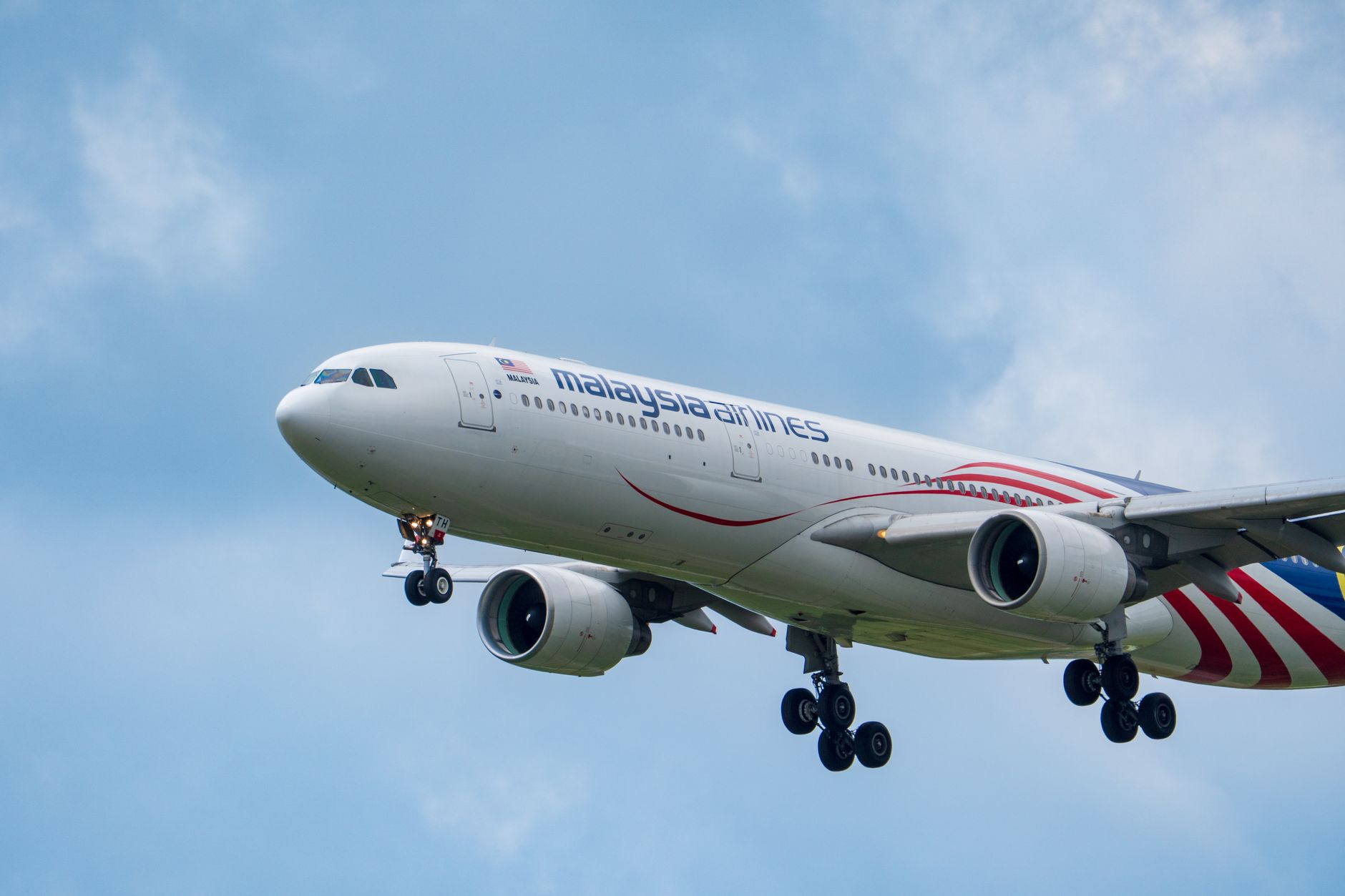
Malaysia Airlines flight emergency has been declared following a diversion to Chennai. This incident raises important questions about airline safety and response protocols.
What Happened During the Flight?
On a recent Malaysia Airlines flight, an unexpected situation prompted a full emergency declaration and a diversion to Chennai. Passengers and crew experienced moments of uncertainty as the flight faced technical difficulties shortly after takeoff.
The emergency was declared when the aircraft, bound for its original destination, began to experience issues related to its navigation systems. This caused significant concern among the flight crew, who swiftly assessed the situation and communicated with air traffic control. As a precaution, they decided to divert to the nearest airport.
The captain informed passengers about the Malaysia Airlines flight emergency, ensuring that everyone was aware of the situation while maintaining calm. Emergency protocols were initiated, which included preparing the cabin for a possible emergency landing.
Upon approach to Chennai, the crew conducted a thorough checklist to ensure the safety of all onboard. Emergency services were on standby as the aircraft landed safely on the runway. Passengers reported a mixture of relief and anxiety, highlighting the professionalism of the flight attendants and pilots throughout the ordeal.
While the cause of the technical issues is still under investigation, the swift response by the flight crew played a crucial role in ensuring the safety of everyone involved. As a result, all passengers were unharmed and safely disembarked in Chennai.
Reasons for the Diversion
On a recent Malaysia Airlines flight, a full emergency was declared, prompting an unexpected diversion to Chennai. The situation arose due to a combination of factors that contributed to the decision to alter the flight’s original course.
One of the primary reasons for the diversion was a technical issue reported by the flight crew. Passengers noted that the pilots were communicating with air traffic control regarding a potential malfunction that could compromise safety. This prompted immediate action to ensure the well-being of everyone on board.
In addition to the technical difficulties, adverse weather conditions in the flight’s intended path also played a significant role. The crew assessed the meteorological reports and determined that continuing to the original destination would pose an unnecessary risk.
Moreover, the airline prioritized passenger safety above all else. In situations like these, adhering to safety protocols is crucial. The decision to divert was made after thorough considerations of both technical and environmental factors.
Following the landing in Chennai, the aircraft was inspected, and passengers were safely deplaned. The airline has since issued a statement reassuring travelers of their commitment to safety and transparency regarding the Malaysia Airlines flight emergency.
Passenger Experience in Emergency
Passengers aboard the Malaysia Airlines flight experienced a mixture of anxiety and uncertainty as the aircraft declared a full emergency. Many recounted the moments leading up to the diversion to Chennai, where they were hoping for a safe landing. According to several passengers, the flight crew maintained a calm and professional demeanor throughout the ordeal, which helped ease tensions in the cabin.
One passenger, Maria Chen, shared her thoughts: “Initially, we were informed that there was a minor technical issue. However, once we heard the word ’emergency,’ it was hard not to feel alarmed.” Other travelers echoed similar sentiments, expressing gratitude for the crew’s efforts to ensure everyone’s safety.
In the midst of the situation, many passengers found solace in each other. John Smith, who was traveling with his family, stated, “We all just held hands and tried to stay calm. It was comforting to see everyone supporting one another.”
The emergency landing at Chennai was a significant relief for the passengers. After disembarking, several expressed their appreciation for the quick response from the flight crew and ground staff. As news of the Malaysia Airlines flight emergency spread, it highlighted the importance of effective communication and support during such critical moments.
Safety Protocols Followed
In light of the recent Malaysia Airlines flight emergency, the crew adhered to stringent safety protocols to ensure the well-being of all passengers on board. These protocols are designed to minimize risks and handle unexpected situations effectively.
The flight crew followed a systematic approach, which included:
- Immediate Communication: The captain promptly informed air traffic control about the emergency, ensuring that necessary support was mobilized.
- Passenger Briefing: Cabin crew conducted a thorough briefing, reassuring passengers and instructing them on safety measures to follow during the diversion.
- Preparation for Landing: The crew ensured that the cabin was secured and that all passengers were in an appropriate position for landing. This included checking seatbelts and securing loose items.
- Collaboration with Ground Services: Upon arrival, emergency services were prepared at the diversion airport, Chennai, to provide immediate assistance if needed.
These established protocols are crucial in managing any potential risks during a Malaysia Airlines flight emergency, emphasizing the airline’s commitment to safety. The successful implementation of these measures not only ensured a safe landing but also provided peace of mind to passengers during a stressful situation.
Response from Malaysia Airlines
In response to the recent Malaysia Airlines flight emergency, the airline issued a statement clarifying the circumstances that led to the flight’s diversion to Chennai. According to Malaysia Airlines, the flight crew made the decision to divert after encountering technical issues that posed a potential risk to passenger safety.
The airline emphasized its commitment to safety, stating, “The safety and well-being of our passengers and crew are our top priorities. We take any situation that may compromise safety very seriously.” Malaysia Airlines assured the public that all necessary protocols were followed in accordance with aviation regulations.
Furthermore, the airline expressed gratitude to the Chennai airport authorities for their swift response and support during the emergency. “We are thankful for the cooperation and assistance provided by the Chennai airport staff, which contributed to a smooth handling of the situation,” the statement read.
Malaysia Airlines also noted that thorough investigations are underway to understand the exact causes of the technical difficulties experienced during the flight. Passengers have been offered accommodations and assistance during their stay in Chennai. The airline is working diligently to ensure all affected travelers are cared for while they make arrangements for their onward journeys.
As more details emerge, Malaysia Airlines remains committed to maintaining transparent communication with its passengers and the public.
Future Implications for Travelers
The recent Malaysia Airlines flight emergency has raised important questions regarding air travel safety and protocols. As travelers become more aware of the potential for in-flight emergencies, understanding the implications for future travel is essential.
In light of the incident, airlines may need to reassess their emergency procedures and communication strategies. Passengers expect to be informed about safety measures in place, and a transparent approach can foster trust. This incident has highlighted the need for enhanced training for flight crews, ensuring they are prepared to handle unexpected situations effectively.
Additionally, regulatory bodies may implement stricter guidelines for airlines to follow in emergency situations. Transparency and accountability will be crucial in restoring confidence among travelers who may feel apprehensive about flying after such incidents.
Moreover, passengers should consider investing in travel insurance that covers emergency situations. As seen in this Malaysia Airlines flight emergency, the unexpected can happen, and having a safety net can alleviate stress during travel disruptions.
In conclusion, while the immediate response to the recent emergency was commendable, the long-term implications for travelers include a heightened awareness of safety protocols and the need for continuous improvement in airline operations. These factors will ultimately influence the overall travel experience in the years to come.
The Malaysia Airlines flight emergency prompted the crew to make a swift decision to divert to the nearest airport. Investigations into the Malaysia Airlines flight emergency revealed several critical factors that contributed to this urgent action.
Photo by Wei86 Travel on Pexels