Robert Lewis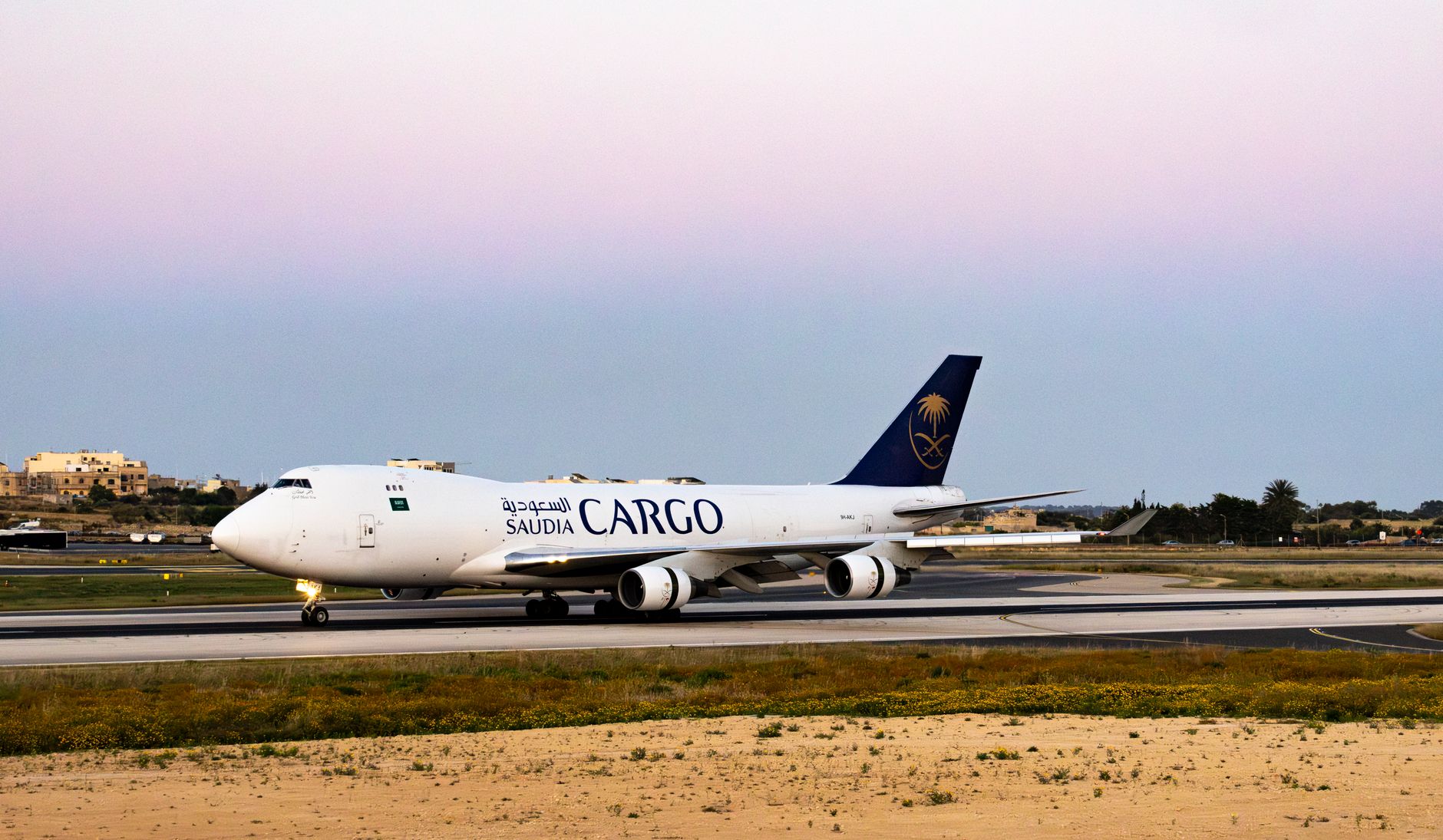
Saudi Arabian airport operations are facing significant disruptions, impacting both travelers and cargo shipments. This situation has raised concerns over travel plans and logistics.
Overview of the disruptions
Recent developments in Saudi Arabian airport operations have led to significant disruptions, affecting travelers across the region. These interruptions are primarily attributed to a combination of technical failures, adverse weather conditions, and increased passenger volumes during peak travel seasons.
Among the most notable incidents were:
- Technical Issues: Several airports experienced system outages, resulting in delayed flights and long queues at check-in counters.
- Weather Challenges: Heavy rainfall and strong winds caused cancellations and diversions, leaving many passengers stranded.
- High Passenger Traffic: The influx of travelers during holiday periods exacerbated congestion at key airports, leading to further delays.
As a result, many airlines have had to adjust their schedules, and travelers are advised to check for updates before heading to the airport. Industry experts emphasize the need for improvements in infrastructure and technology to enhance the reliability of Saudi Arabian airport operations in the future.
Reasons behind the airport issues
The recent disruptions in Saudi Arabian airport operations can be attributed to several key factors that have significantly affected travel across the region.
- Technical Failures: A series of unexpected technical issues have led to delays and cancellations, impacting the overall efficiency of airport management.
- Increased Passenger Volume: With a surge in travelers during peak seasons, airport resources have been stretched thin, causing bottlenecks in processing.
- Weather Conditions: Adverse weather, including heavy rains and fog, has further complicated flight schedules, forcing many airlines to adjust their operations.
- Security Measures: Heightened security protocols have also contributed to longer wait times, as authorities strive to ensure passenger safety amid ongoing global tensions.
- Staff Shortages: A lack of adequate staffing in key operational areas has resulted in slower response times to various challenges, exacerbating the situation.
These combined factors have created a perfect storm, leading to the current state of turmoil in Saudi Arabian airport operations.
Impact on travelers and flights
The recent disruptions in Saudi Arabian airport operations have significantly affected travelers, leading to widespread chaos and frustration. Many passengers have reported extensive delays, missed connections, and even cancellations of flights. As airports struggle to maintain normalcy, the ripple effect has impacted international and domestic travel alike.
Travelers are facing increased wait times at check-in and security checkpoints, making the airport experience more cumbersome than usual. Several airlines have issued advisories to inform passengers of potential disruptions and encourage them to check the status of their flights before heading to the airport.
Some key impacts on travelers include:
- Longer wait times for boarding and deplaning.
- Cancellations of numerous flights, leading to unexpected changes in travel plans.
- Increased passenger volume at remaining operational terminals, causing overcrowding.
- Limited customer support due to staff shortages exacerbated by the disruptions.
These challenges highlight the need for improvements in Saudi Arabian airport operations to ensure smoother travel experiences in the future.
Cargo operations affected
As disruptions continue to plague Saudi Arabian airport operations, cargo services have also felt the impact significantly. Many freight carriers have reported delays and cancellations, affecting both domestic and international shipments.
The challenges are multifaceted, stemming from the earlier discussed operational issues. Key factors include:
- Staff shortages: Many airports are struggling to maintain adequate personnel levels, leading to slow processing times for cargo.
- Logistical bottlenecks: Increased congestion at cargo terminals has resulted in longer wait times for shipments to clear customs.
- Equipment failures: Outdated or malfunctioning machinery has hampered loading and unloading processes, compounding delays.
Furthermore, the disruptions have raised concerns among businesses relying on timely deliveries. Companies are now exploring alternative routes or carriers, but the overall uncertainty continues to hinder efficient supply chain operations.
While the situation is expected to improve gradually, stakeholders are advocating for immediate reforms to bolster Saudi Arabian airport operations and restore confidence in cargo services.
Government response to disruptions
In response to the recent disruptions affecting Saudi Arabian airport operations, the government has taken proactive measures to alleviate the impact on travelers and ensure smoother transit. Authorities have convened emergency meetings to assess the situation and implement immediate solutions.
Among the key actions being taken are:
- Increased staffing: The government is deploying additional personnel to assist passengers and manage check-in and boarding processes.
- Updated communication: Airlines are being urged to provide timely updates to travelers regarding flight statuses and operational changes.
- Enhanced security checks: Streamlining security procedures to reduce bottlenecks and expedite passenger flow through terminals.
- Collaboration with airlines: The government is working closely with domestic and international carriers to facilitate quicker resolutions to scheduling issues.
These steps aim to restore normalcy at affected airports and minimize further disruptions, addressing the growing concerns of travelers and stakeholders in the aviation sector.
Advice for affected passengers
Passengers affected by the recent disruptions in Saudi Arabian airport operations are advised to stay informed and take the necessary precautions to minimize the impact on their travel plans. Here are some recommendations:
- Check Flight Status: Regularly monitor flight updates through airline websites or mobile apps to stay abreast of any changes or cancellations.
- Contact Airlines: Reach out to your airline directly for the latest information regarding your flight. Many airlines are offering flexible rebooking options due to the disruptions.
- Arrive Early: If traveling to the airport, allow extra time for potential delays in check-in and security processes.
- Stay Updated: Follow local news and airport social media channels for real-time updates on the situation.
- Consider Alternate Travel Plans: If your travel is not urgent, think about postponing your trip until operations return to normal.
By staying proactive and informed, travelers can better navigate the ongoing issues affecting Saudi Arabian airport operations.
Future of Saudi Arabian air travel
The future of Saudi Arabian airport operations remains uncertain as the disruptions have highlighted significant vulnerabilities within the aviation sector. Stakeholders are now facing mounting pressure to implement effective strategies that ensure smoother operations moving forward.
In response to the recent challenges, industry experts are advocating for a transition towards more advanced technological solutions. Automation and enhanced digital infrastructure could potentially streamline processes, reduce delays, and improve the overall passenger experience. Additionally, investing in staff training and recruitment may help address workforce shortages that have exacerbated current issues.
Airlines are also expected to reassess their scheduling and resource allocation to better accommodate fluctuating passenger numbers. A greater emphasis on communication with travelers will be crucial, particularly in keeping them informed about potential disruptions.
Ultimately, the future of air travel in Saudi Arabia hinges on collaborative efforts between the government, airport authorities, and airlines. By learning from these recent disruptions, stakeholders hope to create a more resilient aviation framework that can withstand future challenges.
Comparative analysis with other regions
When examining the recent disruptions in Saudi Arabian airport operations, it is essential to compare these issues with those faced in other regions. Many countries have experienced significant interruptions due to various factors, including adverse weather, political unrest, and economic challenges.
In Europe, for instance, airports frequently deal with delays stemming from snowstorms and strikes, affecting hundreds of flights daily. Similarly, airports in the United States often face congestion and technical difficulties that lead to cascading flight cancellations. However, the scale and nature of the disruptions in Saudi Arabia have been particularly pronounced, primarily due to a combination of infrastructural challenges and heightened passenger traffic.
While regions like Asia are also feeling the strain, with rapid growth in air travel leading to overwhelmed facilities, the specific circumstances in Saudi Arabia—such as the recent surge in pilgrimage travel—have exacerbated the situation. Observing these comparative dynamics highlights the unique challenges facing Saudi Arabian airport operations and underscores the need for long-term solutions to enhance resilience against future disruptions.
Photo by Drinu Cutajar on Pexels