Robert Lewis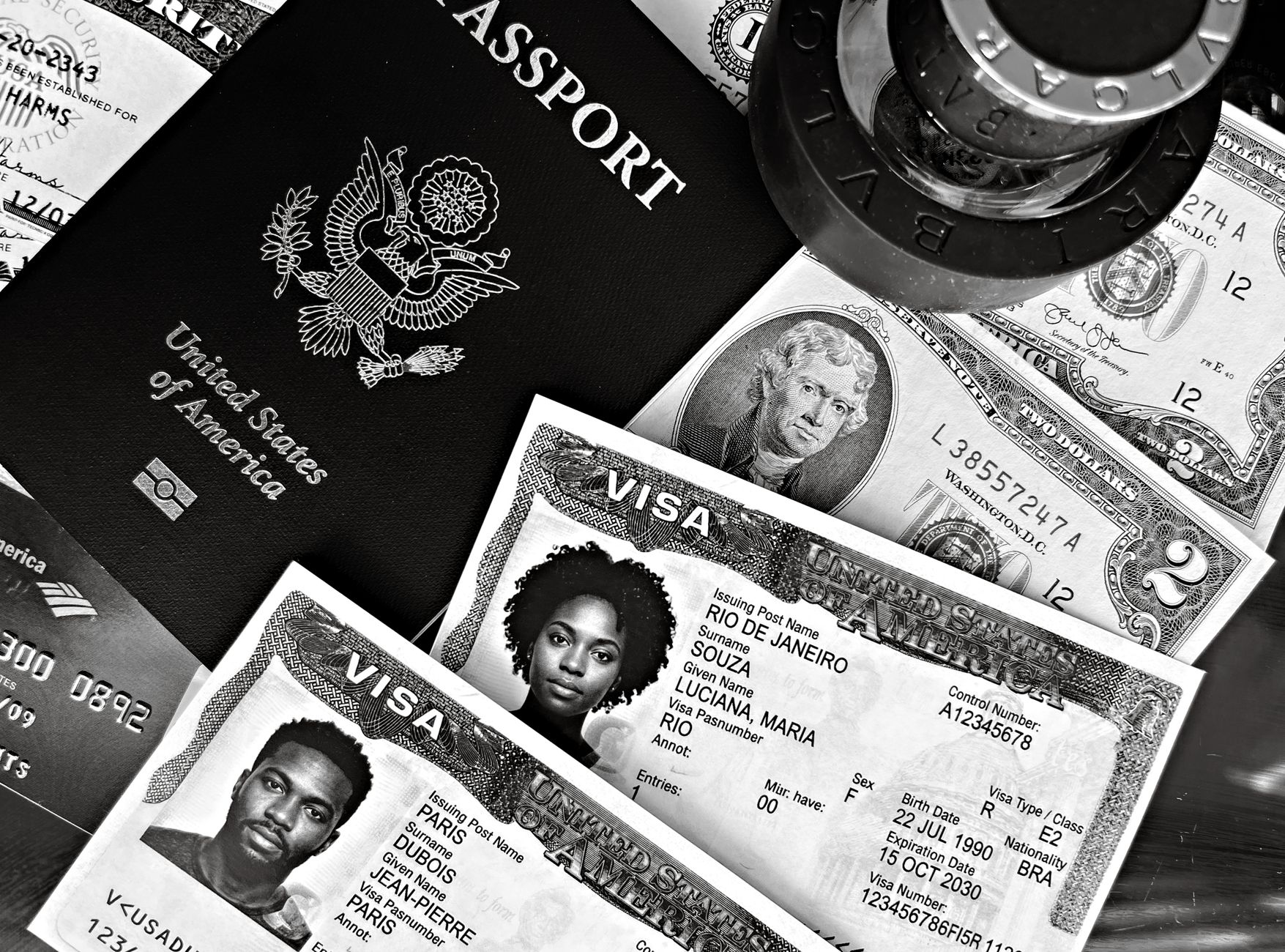
visa fraudsters rule change has raised significant concerns among lawmakers. Marco Rubio recently highlighted the alarming tactics used by these fraudsters, urging immediate action to protect legitimate visa applicants.
Understanding the Visa Fraudsters Rule Change
The recent visa fraudsters rule change has raised significant concerns among lawmakers and immigration experts alike. This new regulation aims to tighten the loopholes that have allowed numerous fraudsters to exploit the visa application system. With increasing incidents of deception, the urgency to address these issues has become paramount.
According to Senator Marco Rubio, who has been vocal about the implications of this change, the adjustments are necessary to dismantle what he describes as a “sinister web” of unlawful operations. These operations often involve individuals misrepresenting their qualifications, using fake documents, and engaging in other fraudulent activities to obtain visas.
Some key aspects of the rule change include:
- Enhanced verification processes: The new rules require more rigorous checks on applicants’ backgrounds and credentials.
- Increased penalties: Individuals caught engaging in visa fraud will face harsher sanctions, including potential criminal charges.
- Greater collaboration: U.S. authorities will work more closely with other nations to exchange information and combat fraudulent practices.
This rule change aims not only to protect the integrity of the visa system but also to ensure that genuine applicants are not unfairly impacted. As the situation evolves, stakeholders are closely monitoring its effects on immigration and national security.
Impact on Immigration Policy
The recent visa fraudsters rule change has sent shockwaves through the immigration landscape, prompting lawmakers and officials to reassess existing policies. The implications of this rule change are far-reaching, affecting not only those seeking to enter the country but also the integrity of the immigration system as a whole.
One immediate impact is the heightened scrutiny on visa applications, which may lead to delays in processing times. Applicants who previously benefited from streamlined procedures may now face additional hurdles as authorities ramp up their efforts to detect fraudulent claims. This could result in longer waits for genuine applicants, causing frustration and uncertainty for many.
Moreover, the rule change is likely to foster an environment of suspicion, where even legitimate applications are met with skepticism. This shift could discourage individuals with valid reasons for immigration from pursuing their dreams, adversely affecting the workforce and diversity within the country.
In a broader sense, the change may provoke political tensions, as advocates for immigration reform grapple with the balance between securing borders and promoting inclusivity. As the debate intensifies, it remains crucial for policymakers to consider the long-term consequences of the visa fraudsters rule change on the nation’s immigration policy.
How to Protect Yourself from Visa Fraud
As the recent visa fraudsters rule change has raised concerns among immigration advocates and officials, it is crucial for individuals to take proactive steps to protect themselves from potential fraud. Here are some effective strategies to safeguard against visa-related scams:
- Stay Informed: Keep abreast of the latest immigration policies and any updates regarding visa applications. Official government websites often provide the most accurate information.
- Verify the Source: Always ensure that the information you receive is from a reputable source. Be cautious of unsolicited offers or advice from unknown individuals.
- Consult a Professional: If you have questions about your visa status or application, seek advice from a qualified immigration attorney or accredited representative.
- Beware of Red Flags: Be suspicious of anyone who guarantees visa approval or asks for large sums of money upfront. Legitimate processes do not involve shortcuts or excessive fees.
- Report Suspicious Activity: If you encounter any signs of fraud or have been targeted, report it to the appropriate authorities immediately to help prevent others from falling victim.
By staying vigilant and informed, individuals can better navigate the complexities introduced by the visa fraudsters rule change and ensure their immigration journey remains secure.
What Lawmakers are Doing About It
In response to the alarming rise in visa fraud cases, lawmakers are taking decisive action to combat the issue. The recent visa fraudsters rule change has prompted a renewed focus on regulatory measures designed to strengthen the integrity of the immigration system.
Key initiatives being proposed include:
- Increased Oversight: Lawmakers are advocating for enhanced monitoring of visa applications to identify suspicious patterns that may indicate fraudulent activity.
- Stricter Penalties: There is a push for implementing harsher penalties for those caught engaging in visa fraud, including both criminal charges and civil fines.
- Public Awareness Campaigns: To educate potential applicants about the risks of visa fraud, programs aimed at raising awareness are being developed, highlighting how to spot scams.
- Collaboration with Tech Companies: Lawmakers are seeking partnerships with technology firms to develop advanced tools for detecting fraudulent submissions through data analysis.
Many lawmakers, including Senator Marco Rubio, have stressed the importance of swift action to close loopholes that fraudsters exploit. By addressing the vulnerabilities within the immigration system, they aim to restore public confidence and ensure that legitimate applicants are not unfairly impacted by the actions of a few.
The recent visa fraudsters rule change has raised concerns among immigration experts about the potential for increased deception in the system. Many believe that this visa fraudsters rule change could lead to a surge in fraudulent applications, complicating the vetting process for legitimate applicants.
Photo by DΛVΞ GΛRCIΛ on Pexels