Robert Lewis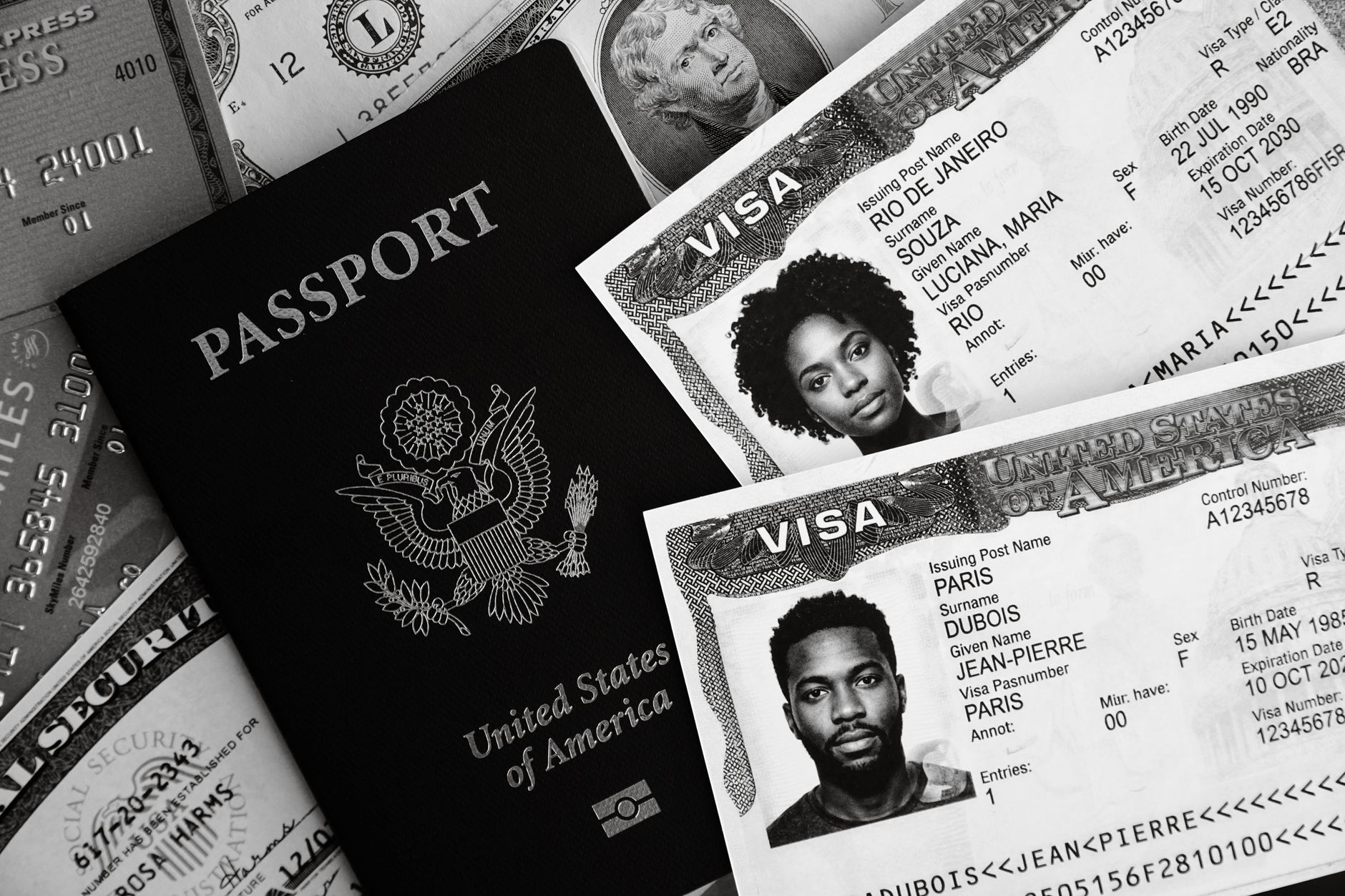
visa restriction policy is a hot topic as the US announces new measures targeting a leading African country. This decision has sparked discussions about its implications for immigration and travel.
Understanding the Visa Restriction Policy
The recent announcement by the US regarding a new visa restriction policy targeting a leading African country has raised significant concerns and discussions around its implications. This policy aims to address various issues, including immigration control and national security. However, its effects extend beyond mere regulatory measures.
Understanding the visa restriction policy requires examining its potential impacts on various sectors. The following points highlight some key areas of concern:
- Economic Effects: Restrictions on visas can lead to a decrease in foreign investment and tourism, which are critical for economic growth.
- Educational Opportunities: Students from the affected country may find it increasingly challenging to pursue their studies in the US, limiting their access to quality education and research opportunities.
- Family Reunification: Families may face greater difficulties in uniting, as visa restrictions can hinder the ability of individuals to visit or relocate to the US.
- Diplomatic Relations: Such policies can strain diplomatic ties between nations, fostering resentment and potentially leading to retaliation.
As the implications of the visa restriction policy unfold, stakeholders from various sectors will need to adapt to the changing landscape and advocate for more balanced approaches that consider both security and humanitarian concerns.
Impacts on African Travelers
The recent announcement of a visa restriction policy by the United States has significant implications for African travelers, particularly those from the targeted country. These restrictions can hinder travel opportunities, affecting various aspects of life such as education, employment, and family reunification.
Travelers from the affected nation may now face increased scrutiny during the visa application process, leading to longer wait times and a higher likelihood of denial. This increased barrier to entry can have several impacts:
- Educational Opportunities: Students seeking to study in the U.S. may find it more difficult to secure the necessary visas, limiting their access to quality education and academic resources.
- Economic Effects: Business professionals may struggle to attend conferences or trade missions, which can stifle economic growth and collaboration between nations.
- Family Connections: The ability for families to reunite can be severely impacted, causing emotional distress and separation.
Moreover, the visa restriction policy may inadvertently foster a sense of resentment among those affected, potentially straining diplomatic relations. As African travelers navigate these challenges, the broader implications of such policies will continue to unfold, raising questions about the future of international mobility and cooperation.
What You Need to Know About Visa Applications
The recent changes in the visa restriction policy have raised questions for many individuals looking to travel. Understanding the nuances of visa applications in light of these new regulations is crucial for potential travelers.
When applying for a visa, it is essential to consider several factors that may influence the outcome of the application:
- Eligibility Requirements: Each visa type has specific eligibility criteria. Applicants should ensure they meet all requirements before submission.
- Documentation: Proper documentation is vital. This includes proof of financial stability, travel itinerary, and any required letters of invitation.
- Application Process: Familiarizing yourself with the application process can help avoid delays. This includes understanding the forms needed and any associated fees.
- Interview Preparation: Many visa applications require an interview. Being prepared to answer questions regarding your travel intentions and ties to your home country can improve your chances of approval.
- Impact of Policy Changes: The new visa restriction policy may affect how quickly applications are processed and the likelihood of approval for applicants from targeted countries.
Staying informed about these aspects will help applicants navigate the complexities of the visa application process amid evolving visa restriction policies.
Future of US-Africa Relations
The future of US-Africa relations is under significant scrutiny following the recent announcement of the visa restriction policy targeting specific countries on the continent. As the United States seeks to recalibrate its diplomatic ties, the implications of this policy could alter the landscape of interaction between the two regions.
Several factors may influence the trajectory of these relations moving forward:
- Economic Cooperation: The potential for trade and investment may be hindered as restrictions complicate business travel, impacting economic partnerships.
- Cultural Exchange: Visa restrictions often lead to diminished cultural exchanges, which are vital for fostering mutual understanding and collaboration between the U.S. and African nations.
- Geopolitical Dynamics: As other global powers strengthen their ties with African nations, the U.S. might find its influence waning unless it reassesses its approach to engagement.
- Humanitarian Efforts: The ability of NGOs and aid organizations to operate effectively in restricted areas may be compromised, affecting development initiatives.
The visa restriction policy, while aimed at addressing specific concerns, could have unintended consequences that reverberate throughout the continent. Stakeholders on both sides will need to work diligently to navigate this complex landscape and strive for a more collaborative future.
Photo by DΛVΞ GΛRCIΛ on Pexels