Robert Lewis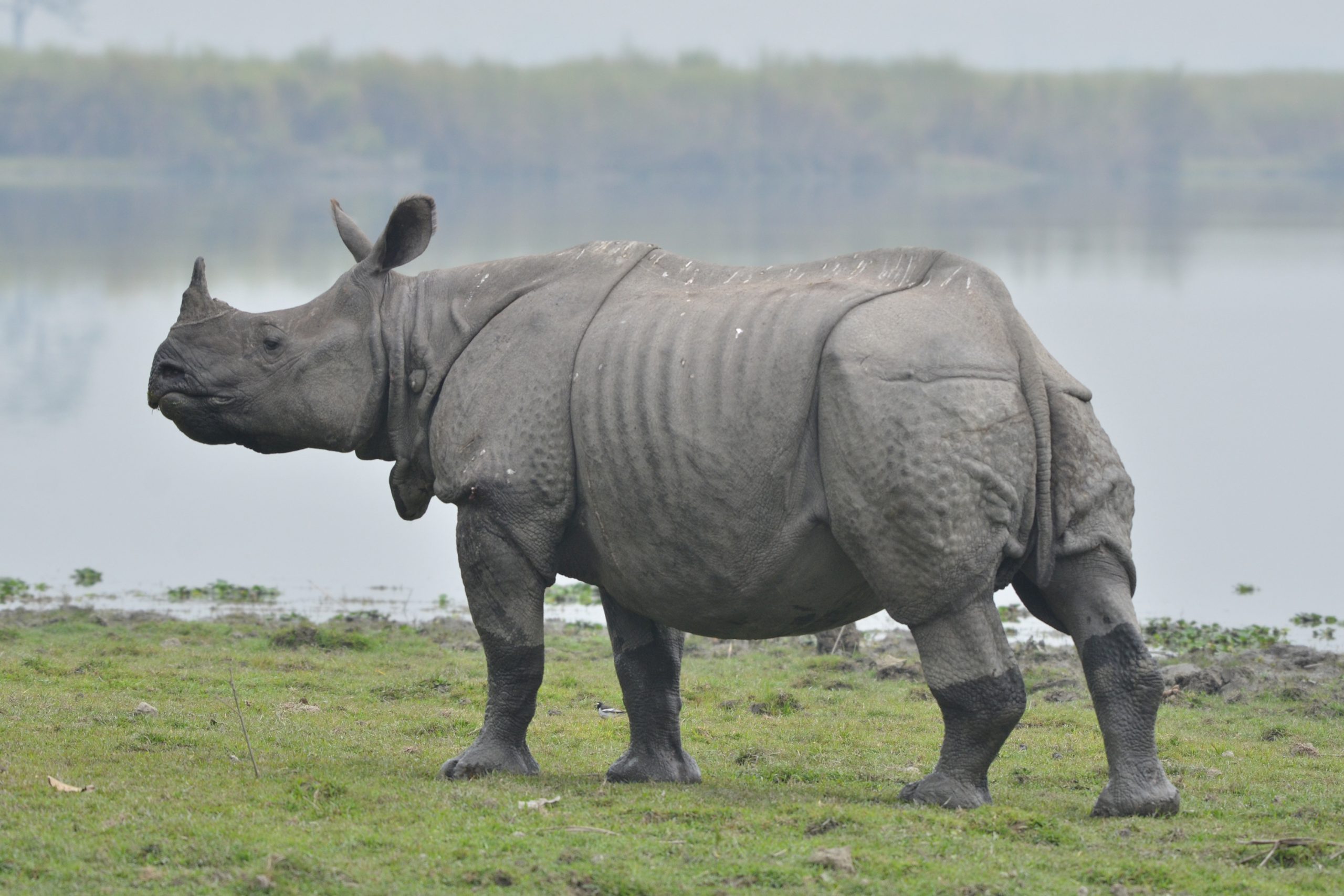
Kaziranga National Park reopens for the 2026-27 tourist season, inviting travelers to explore its rich biodiversity and stunning landscapes. This iconic park is known for its one-horned rhinoceroses and vibrant ecosystems.
What to Expect When Visiting Kaziranga National Park
Kaziranga National Park, a UNESCO World Heritage Site, is renowned for its stunning landscapes and rich biodiversity. When visiting this iconic park in 2026, you can expect an unforgettable experience surrounded by nature.
Wildlife enthusiasts will be thrilled to spot the park’s famous one-horned rhinoceros, alongside other incredible species such as:
- Asian elephants
- Bengal tigers
- Wild water buffalo
- Various species of deer
The best time to visit is between November and April when the weather is pleasant and wildlife sightings are abundant. Guided jeep and elephant safaris offer a unique perspective, allowing visitors to immerse themselves in the park’s natural beauty.
Additionally, local culture and cuisine add to the allure, making Kaziranga National Park not just a wildlife destination but a complete travel experience. Embrace the adventure and discover why this park is a must-visit in 2026.
Best Time to Explore Kaziranga National Park
The best time to explore Kaziranga National Park is during the cooler months, typically from November to April. This period offers visitors a chance to experience the park’s breathtaking landscapes and diverse wildlife in comfortable weather conditions.
During these months, the temperatures are pleasant, ranging from 10°C to 25°C, making it ideal for wildlife safaris. Additionally, the park’s flora is lush and vibrant, providing a stunning backdrop for photography and nature enthusiasts.
It is also the prime season for spotting the famous one-horned rhinoceros, along with other species such as:
- Asian elephants
- Bengal tigers
- Wild water buffalo
- Many species of migratory birds
Plan your visit early to secure accommodations, as this popular destination attracts numerous tourists during the peak season.
Wildlife Conservation Efforts in Kaziranga
Kaziranga National Park, renowned for its rich biodiversity and conservation efforts, has made significant strides in protecting its unique wildlife. The park is home to the world’s largest population of the Indian one-horned rhinoceros, among other endangered species. Over the years, various initiatives have been implemented to ensure the safety and sustainability of these animals.
Key conservation efforts include:
- Anti-Poaching Measures: Increased patrols and surveillance have reduced poaching incidents, allowing wildlife to thrive.
- Habitat Restoration: Efforts to restore degraded habitats have improved the living conditions for numerous species.
- Community Involvement: Local communities are educated and involved in conservation practices, fostering a sense of stewardship.
These dedicated efforts have positioned Kaziranga National Park as a model for wildlife conservation, making it a top destination for eco-tourism in 2026.
Travel Tips for Your Kaziranga Adventure
Planning a trip to Kaziranga National Park in 2026? Here are some essential travel tips to enhance your adventure.
- Book in Advance: The park can get crowded during peak season, so securing your accommodations and safari permits early is crucial.
- Dress Appropriately: Wear comfortable, breathable clothing and sturdy footwear. Don’t forget a hat and sunscreen to protect yourself from the sun.
- Stay Hydrated: Always carry a water bottle while exploring the park, especially during jungle safaris.
- Respect Wildlife: Keep a safe distance from animals and avoid making loud noises. Remember, Kaziranga is a sanctuary for many endangered species.
- Engage Local Guides: Hiring a local guide can provide valuable insights into the park’s biodiversity and enhance your experience.
Following these tips will ensure a memorable visit to Kaziranga National Park as you immerse yourself in its stunning natural beauty.
By Anuwar ali hazarika via Openverse