Robert Lewis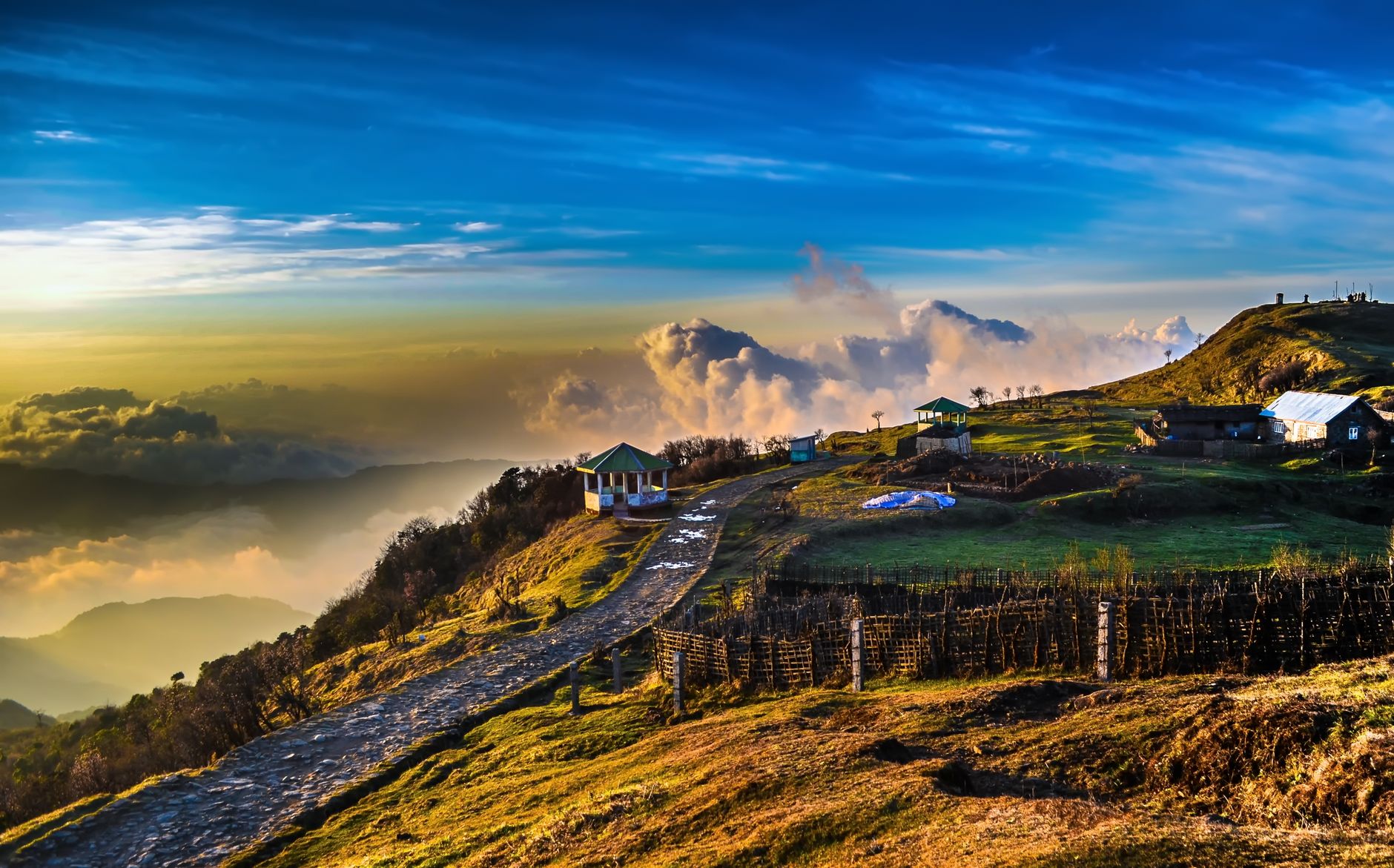
Singalila National Park is reopening with a strong appeal for plastic-free trekking. This initiative aims to preserve the park’s natural beauty while promoting eco-friendly tourism.
Overview of Singalila National Park
Singalila National Park, located in the Darjeeling district of West Bengal, India, is renowned for its breathtaking landscapes and rich biodiversity. Spanning over 78 square kilometers, this park sits at a high altitude, offering stunning views of the Himalayan range, including the majestic Kanchenjunga. Singalila National Park is a haven for nature lovers and adventure enthusiasts alike, as it provides numerous trekking routes that showcase its unique flora and fauna.
The park is home to a variety of wildlife, including the elusive red panda and several species of butterflies, making it a popular destination for eco-tourists. In addition to its diverse wildlife, Singalila National Park features dense forests, picturesque meadows, and panoramic viewpoints that attract trekkers from around the globe.
Recently, the park has emphasized a plastic-free trekking experience, aiming to preserve its pristine environment. This initiative encourages trekkers to minimize waste and promote sustainable practices while exploring the natural beauty of the area. By adopting a plastic-free approach, visitors can contribute to the conservation of Singalila National Park and ensure that its breathtaking landscapes remain unspoiled for future generations.
With its stunning vistas, rich biodiversity, and commitment to sustainability, Singalila National Park offers an unparalleled trekking experience that resonates with environmentally conscious adventurers.
Importance of Plastic-Free Trekking
The importance of plastic-free trekking in Singalila National Park cannot be overstated. As one of the most pristine natural reserves in India, the park is home to diverse flora and fauna, making it essential to protect its ecosystem from plastic pollution.
Plastic waste poses a significant threat to wildlife and can disrupt the delicate balance of the park’s environment. By adopting a plastic-free trekking approach, visitors can help preserve the park’s beauty and biodiversity. Here are some reasons why this initiative is crucial:
- Environmental Protection: Reducing plastic waste helps maintain clean trails and water sources, ensuring that the natural habitat remains unharmed.
- Wildlife Preservation: Animals can mistake plastic for food, which can lead to serious health issues or even death. A plastic-free environment safeguards these creatures.
- Promotion of Sustainable Practices: Encouraging trekkers to carry reusable items fosters a culture of sustainability that can inspire others to follow suit.
- Enhancing Visitor Experience: A cleaner environment enhances the overall trekking experience, allowing visitors to enjoy the natural beauty of Singalila National Park without distractions.
In conclusion, embracing plastic-free trekking not only benefits the environment but also enriches the experience for all who visit this remarkable destination.
Tips for Eco-Friendly Travel
Traveling sustainably is essential for preserving the natural beauty of places like Singalila National Park. Here are some tips for eco-friendly travel that can help you minimize your impact while enjoying this stunning destination:
- Plan Ahead: Research your trekking routes and opt for lesser-known trails to reduce foot traffic in sensitive areas.
- Pack Light: Bring only what you need for your trek. A lighter pack reduces your energy expenditure and helps to minimize your carbon footprint.
- Use Reusable Items: Replace single-use plastics with reusable alternatives. Carry a refillable water bottle, utensils, and containers for meals.
- Leave No Trace: Follow the principles of Leave No Trace by taking all your waste back with you. This includes food scraps, wrappers, and any other trash.
- Support Local: Choose local guides and businesses that prioritize sustainability. This not only enhances your experience but also benefits the community.
- Be Wildlife Wise: Observe animals from a distance and avoid feeding them. Interactions can disrupt their natural behaviors and habitats.
By implementing these eco-friendly practices during your visit to Singalila National Park, you contribute to the conservation of its rich biodiversity and help maintain its allure for future generations.
Wildlife and Biodiversity in the Park
Singalila National Park is renowned not only for its breathtaking landscapes but also for its rich wildlife and biodiversity. Nestled in the Eastern Himalayas, this protected area boasts a unique ecosystem that attracts nature lovers and trekkers from around the globe.
The park is home to a variety of species, including:
- Red Panda – A symbol of the park, these elusive animals are known for their playful nature and are often spotted amidst the lush bamboo forests.
- Snow Leopard – These rare big cats roam the higher altitudes, making sightings a special treat for adventurous trekkers.
- Black Bear – Frequently found in the lower elevations, their presence adds to the park’s rich diversity.
- Bird Species – Over 200 species of birds, including the colorful Himalayan Monal, can be observed, making it a paradise for birdwatchers.
The flora of Singalila National Park is equally impressive, with a mix of coniferous and deciduous trees, vibrant rhododendron blooms, and medicinal plants. This biodiversity not only supports various animal species but also contributes to the ecological balance of the region.
Preserving this unique environment is crucial, especially as the park embraces a plastic-free trekking initiative, encouraging visitors to respect and protect its natural beauty.
Best Trekking Routes to Explore
Exploring the stunning landscapes of Singalila National Park offers trekkers a unique opportunity to experience nature while promoting environmental sustainability. Here are some of the best trekking routes within the park that ensure a memorable adventure while adhering to the principles of plastic-free trekking:
- Sandakphu Trek: This is the most popular route, leading trekkers to the highest peak of West Bengal. The panoramic views of the Kanchenjunga and Everest ranges make it a must-visit.
- Phalut Trek: Starting from Sandakphu, this trek takes you through lush forests and offers spectacular vistas. The serene atmosphere is perfect for those who seek solitude.
- Rimbik to Sandakphu: A less-traveled route that showcases the rich biodiversity of the park. This trek allows for an immersive experience with local flora and fauna.
- Tonglu Trek: An ideal choice for beginners, this trek provides a gentle introduction to the beauty of the Himalayas, complete with stunning sunrises and sunsets.
Each of these routes not only highlights the natural beauty of Singalila National Park but also encourages trekkers to embrace eco-friendly practices. By opting for reusable gear and minimizing waste, visitors can contribute to the preservation of this breathtaking environment.
Visitor Information and Guidelines
Visitors planning a trip to Singalila National Park should be aware of some important guidelines to ensure a safe and enjoyable experience. The park has implemented several measures to promote a plastic-free environment and preserve its stunning natural beauty.
Before embarking on your trek, consider the following points:
- Permits: All visitors must obtain the necessary permits before entering the park. These can be acquired at the park entrance or through authorized travel agencies.
- Timing: The ideal time for trekking in Singalila National Park is between March and May, as well as September to November. During these months, the weather is pleasant, and wildlife sightings are more common.
- Eco-Friendly Supplies: Pack reusable items such as water bottles, food containers, and bags. Avoid single-use plastics to align with the park’s plastic-free initiative.
- Waste Management: Carry out all waste, including organic matter, to keep the park clean. Designated disposal areas are available at campsites.
- Respect Wildlife: Maintain a safe distance from animals and avoid feeding them. Observing wildlife in their natural habitat is a key part of the trekking experience.
By following these guidelines, visitors can contribute to the preservation of Singalila National Park and enhance their trekking adventure.
Photo by Saheb Santanu on Pexels
Where this came from
urbanacres.in · Singalila National Park
Related stories
Visa restriction policy: What are the real impacts? · Adani Airports Investment: A Smart Move for Indian Aviation · Thailand visa rules: What are the best new changes for tourists?