Robert Lewis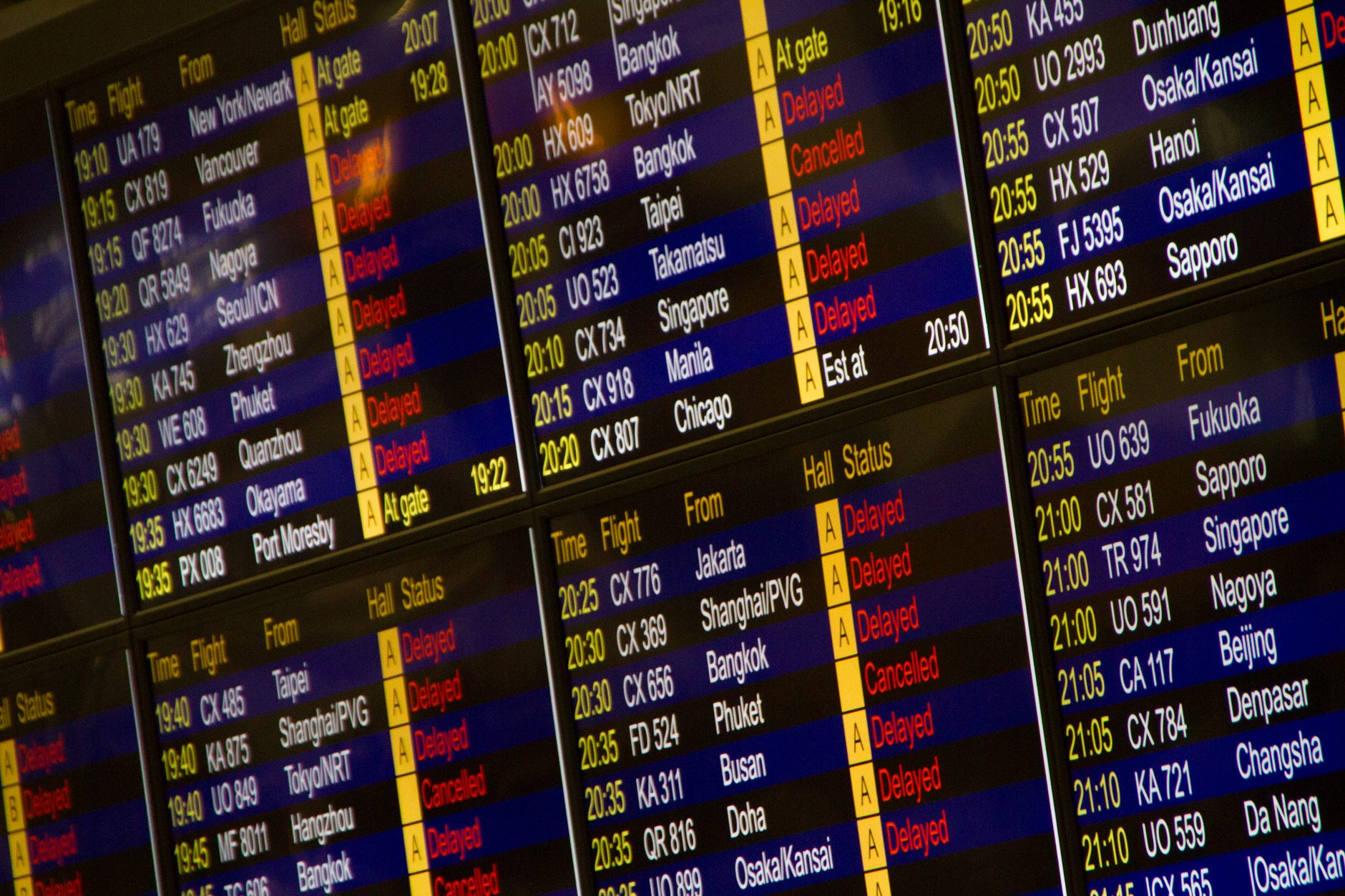
UAE flights cancellations are causing significant disruptions for travelers heading to Saudi Arabia. Emirates, Etihad, and flydubai have all announced affected routes, leading to concerns among passengers.
Overview of Recent Cancellations
In recent weeks, travelers have faced significant disruptions due to UAE flights cancellations, particularly affecting routes to Saudi Arabia. Major airlines, including Emirates, Etihad, and flydubai, have reported a rise in flight cancellations, leaving many passengers scrambling to adjust their travel plans.
The cancellations have been attributed to various factors, including adverse weather conditions and operational challenges. Travelers attempting to fly to popular destinations in Saudi Arabia have experienced numerous inconveniences, leading to uncertainty and frustration.
Passengers affected by these cancellations are experiencing a range of impacts:
- Travel Delays: Many have had to wait for rebooking options, resulting in extended travel times.
- Financial Loss: Non-refundable bookings and missed connections can lead to unexpected expenses.
- Emotional Stress: The uncertainty surrounding travel plans can cause anxiety and disappointment for those with important engagements.
Airlines are working to communicate with affected passengers, offering rebooking alternatives and, in some cases, refunds. However, the frequency of UAE flights cancellations remains a cause for concern among travelers, highlighting the need for better contingency planning by carriers to mitigate the impact on their customers.
Impact on Saudi Routes
Recent UAE flights cancellations have significantly affected travel routes to Saudi Arabia, creating disruptions for passengers and airlines alike. The major carriers, including Emirates, Etihad, and flydubai, have had to adjust their schedules due to unforeseen operational challenges.
Travelers intending to fly from the UAE to Saudi Arabia have reported various inconveniences, including:
- Flight delays: Many flights have experienced significant delays, leaving passengers stranded at airports.
- Last-minute cancellations: Some travelers have found their flights canceled just hours before departure, forcing them to seek alternative arrangements.
- Increased costs: With limited seats available on remaining flights, travelers may face higher ticket prices, straining their budgets.
- Emotional stress: The uncertainty around flight statuses has led to frustration and anxiety among passengers eagerly trying to reach their destinations.
As airlines work to resolve these issues, many travelers are being advised to check their flight statuses regularly and stay updated on any changes. The impact of the recent cancellations on Saudi routes highlights the broader challenges faced by the aviation industry amidst fluctuating travel conditions. For those planning trips, flexibility and patience are essential during this turbulent time.
Airlines Affected by Cancellations
Recent flight cancellations in the UAE have significantly impacted several airlines, leading to widespread disruptions for travelers. The most notable airlines affected include:
- Emirates: As one of the largest carriers in the region, Emirates has faced numerous cancellations, particularly on routes connecting to Saudi Arabia. This has led to frustration among passengers who rely on this airline for both business and leisure travel.
- Etihad Airways: Another major airline, Etihad has also been hit hard. Passengers have reported lengthy delays and last-minute cancellations, causing travel plans to be upended.
- flydubai: This low-cost carrier has seen its share of cancellations as well, affecting travelers looking for budget-friendly options. The airline has issued statements reassuring customers that they are working to minimize disruptions.
The flight cancellations have not only caused inconvenience but also raised concerns about connecting flights and onward travel. Many travelers are left scrambling to find alternative arrangements or to seek refunds for canceled flights. UAE flights cancellations have thus created a ripple effect, impacting tourism and business schedules alike. As airlines work to recover, passengers are advised to stay updated on flight statuses and be prepared for potential changes.
Travel Tips for Affected Passengers
As UAE flights cancellations continue to disrupt travel plans, passengers affected by these changes can take several steps to mitigate the impact on their journeys. Here are some practical travel tips for those facing cancellations.
- Stay Informed: Regularly check your airline’s website or app for the latest updates on your flight status. This can help you stay ahead of any changes.
- Contact Customer Service: If your flight is canceled, reach out to your airline’s customer service as soon as possible. Be prepared for long wait times but stay patient; they can provide you with rebooking options.
- Consider Alternate Routes: Look for alternative flights, even if it means connecting through a different city. Flexibility can open up more options to reach your destination.
- Know Your Rights: Familiarize yourself with your airline’s policies regarding cancellations and compensation. Certain regulations may entitle you to refunds or vouchers.
- Pack Essentials: Always have a small bag with essentials in your carry-on, including medications, a change of clothes, and chargers, to ease the inconvenience of unexpected delays.
By following these tips, travelers can navigate the challenges posed by UAE flights cancellations and minimize the disruption to their plans.
Official Airline Statements
In light of the recent disruptions affecting travel, several airlines have issued official statements regarding the UAE flights cancellations. These updates aim to inform passengers about changes to their travel plans and provide guidance on how to navigate the situation.
- Emirates Airlines has acknowledged the cancellations and expressed their commitment to assisting passengers. They have implemented a flexible rebooking policy to accommodate those whose flights have been affected.
- Etihad Airways has also released a statement, emphasizing their focus on customer support. They are encouraging travelers to check their flight status online and utilize their website for the most current information.
- flydubai has communicated that they are working closely with relevant authorities to ensure a smooth resolution to the disruptions. They recommend that travelers stay updated via their official channels.
Passengers are advised to remain patient and check their email or the airlines’ websites for notifications on flight statuses. The airlines have committed to keeping travelers informed as the situation evolves. Overall, while the UAE flights cancellations have created significant inconvenience, the airlines are striving to mitigate the negative impacts on their customers.
Passenger Reactions and Experiences
Travelers affected by the recent UAE flights cancellations have expressed a mix of frustration and concern as they navigate the disruptions. Many passengers took to social media to share their experiences, highlighting the emotional toll and logistical challenges posed by the sudden changes.
- Ahmed Al-Mansoori, a frequent flyer, described how he was left stranded at Dubai International Airport for hours after his flight to Riyadh was canceled. “I had important meetings scheduled, and now I’m not sure how I’ll manage,” he lamented.
- Fatima Rashid, who was traveling with her family, reported a similar story, noting that they had to scramble to find alternative arrangements. “It’s been stressful trying to rebook everything, and the prices have skyrocketed,” she stated.
- Others shared stories of long wait times on customer service lines, with some reporting that they received little assistance from airline representatives. “I felt like I was on my own,” said Omar Khaled, who was hoping to return home after a business trip.
As travelers continue to deal with the aftermath of these cancellations, many are left wondering how to best cope with the uncertainty surrounding their travel plans. The impact of these disruptions is far-reaching, affecting not just individuals but also families and businesses relying on timely travel.
Future Flight Outlook
The future outlook for flights in the UAE remains uncertain, particularly for those affected by recent cancellations. As airlines work to stabilize their schedules, travelers may face ongoing disruptions.
Airlines are currently assessing routes and capacities, which could lead to further adjustments in flight availability. The recent wave of cancellations has raised questions about operational reliability and how airlines will respond in the coming weeks. Passengers are advised to stay updated on their flight status, as changes can occur with little notice.
Key factors influencing future cancellations include:
- Weather conditions: Seasonal weather patterns, including fog and storms, may impact flight operations.
- Air traffic control restrictions: Changes in air traffic management could lead to delays and cancellations, particularly on busy routes.
- Aircraft availability: Ongoing maintenance or supply chain issues may affect the number of operational aircraft.
Travelers planning trips from the UAE should consider alternative arrangements, as the likelihood of further cancellations remains. It is crucial to monitor official airline communications and be prepared for last-minute changes. With the high volume of flights affected, understanding the broader implications of UAE flights cancellations is essential for managing travel plans effectively.
The recent surge in UAE flights cancellations has left many travelers stranded at airports, causing significant disruptions to their travel plans. Additionally, the financial implications of these UAE flights cancellations can be burdensome, as passengers face unexpected costs for accommodations and alternative transportation.
Photo by Oscar Chan on Pexels
Sources
Related reading
Ryanair Summer Campaign: Best New Routes for 2027 · Saudi Arabian airport operations: Worst disruptions impacting travel · Visa-Free Travel Europe: Best Simple Guide for GCC