Robert Lewis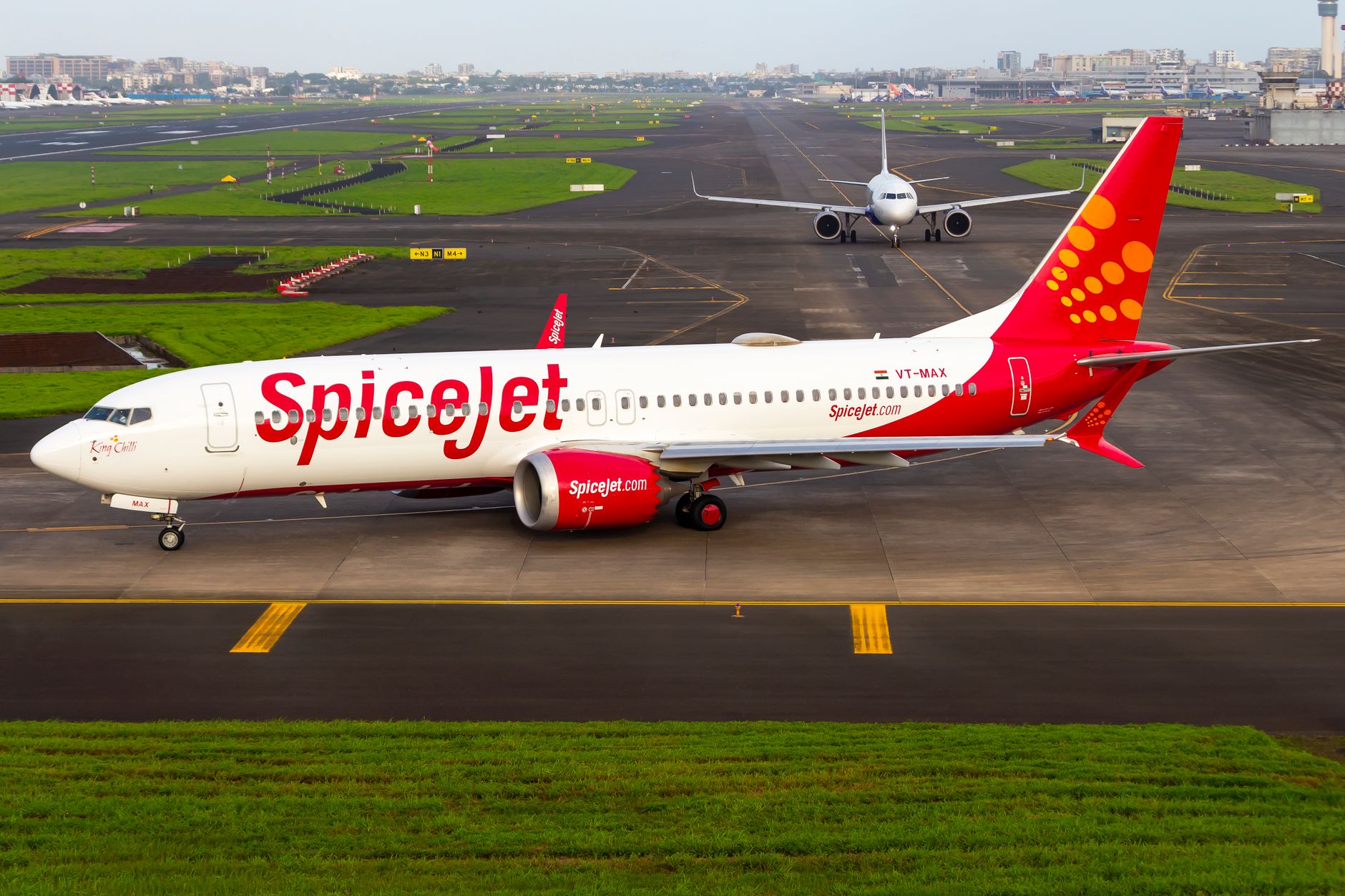
Adani Mumbai airport flight cuts are creating significant tension between the airport and airlines. This article explores the reasons behind the ongoing dispute and what it means for air travel in India.
Understanding the Dispute
The ongoing dispute between Adani and several airlines over flight cuts at Mumbai airport has raised significant concerns among passengers and industry experts alike. The conflict stems from a series of operational changes implemented by the Adani Group, which manages the airport, leading to a reduction in the number of available flights.
This decision has sparked a backlash from airlines that rely on the airport for their operations. Many carriers argue that the Adani Mumbai airport flight cuts have resulted in scheduling challenges and reduced connectivity for travelers, ultimately affecting their bottom line.
Key points of contention include:
- Operational Efficiency: Airlines claim that the cuts disrupt their established flight schedules, causing inconvenience for passengers.
- Financial Implications: The reduction in flights could lead to decreased revenue for airlines, especially those with significant operations at the airport.
- Passenger Experience: Travelers may face longer wait times and fewer options, impacting their overall travel experience.
As discussions continue, it remains to be seen how both parties will navigate this dispute and work towards a resolution that benefits all stakeholders involved.
Impact on Travelers
The recent flight cuts at Adani Mumbai airport have raised concerns among travelers who rely on this crucial hub for their journeys. As airlines and the airport management grapple with ongoing disputes, many passengers are left in a state of uncertainty.
Travelers have reported significant disruptions, including:
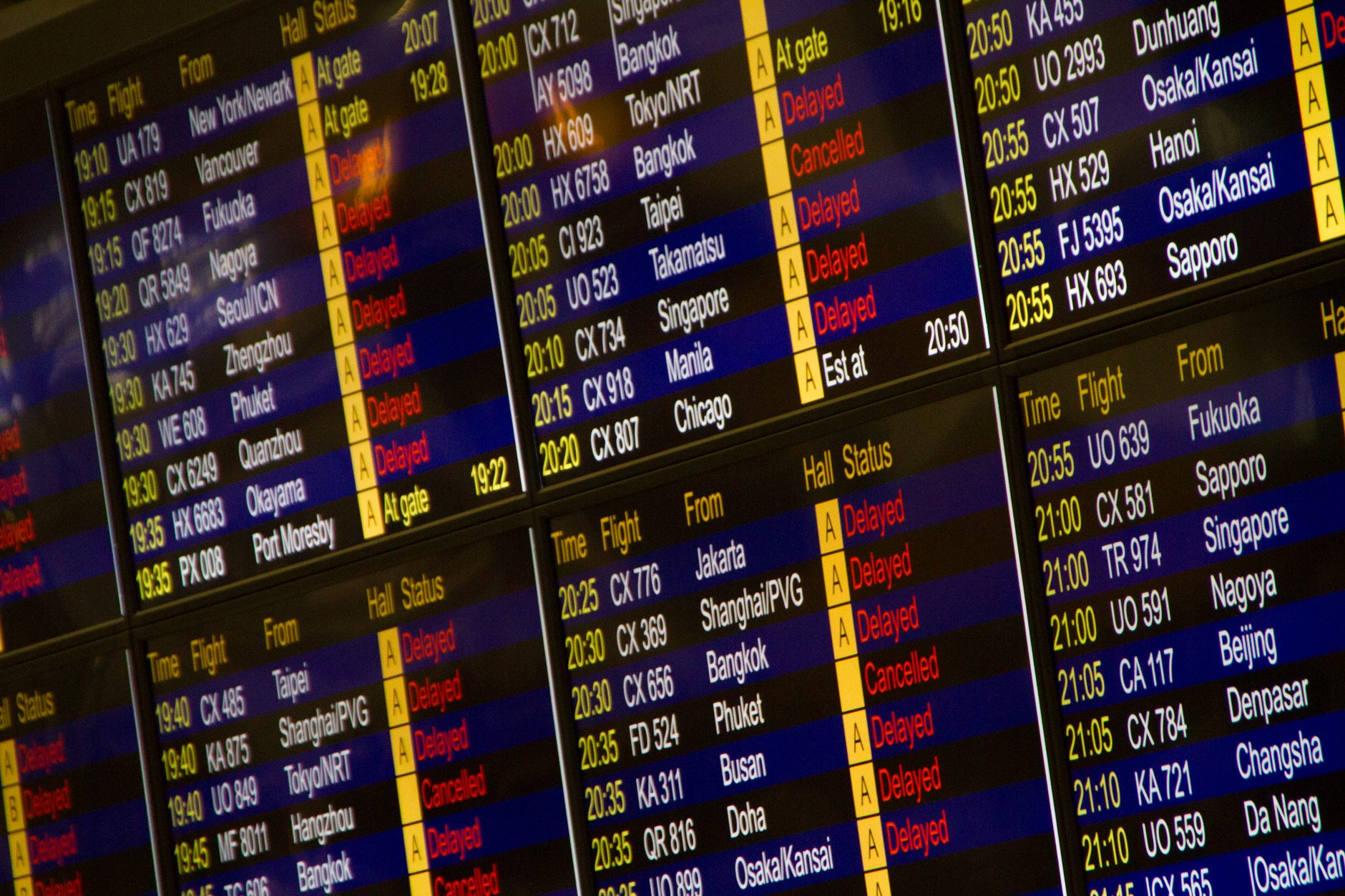
- Flight Cancellations: Numerous flights have been canceled or rescheduled, leading to confusion and frustration among those with travel plans.
- Increased Wait Times: With fewer flights operating, passengers face longer wait times at the airport, impacting their overall travel experience.
- Higher Fares: As airlines adjust to the new flight schedules, ticket prices have seen an uptick, making travel more costly for many.
Moreover, the impact of these flight cuts extends beyond immediate inconveniences. Regular commuters and business travelers may find it challenging to maintain their schedules, affecting productivity and personal commitments.
While the dispute is ongoing, the real impact of Adani Mumbai airport flight cuts is being felt by many, prompting calls for a resolution to restore normalcy and enhance the travel experience for all passengers.
Airlines’ Perspective
The recent flight cuts at Adani Mumbai airport have raised concerns not only among travelers but also within the airline industry. Airlines have expressed their frustration over the operational changes imposed by the airport management. Many carriers argue that these cuts could disrupt their schedules and affect overall passenger demand.
According to industry analysts, the airlines view the flight cuts as an attempt by Adani to streamline operations for financial gain, potentially at the expense of service quality. Major airlines are particularly worried about how these restrictions may lead to reduced connectivity, especially during peak travel seasons.
In response to the flight cuts, airline representatives have emphasized the need for a collaborative approach between all stakeholders. They believe that open dialogue can help mitigate the negative impacts of these changes. Airline spokespeople have stated that maintaining a balance between operational efficiency and passenger needs is critical.
Moreover, as the aviation sector continues to recover from the pandemic, any disruptions at crucial hubs like Mumbai can have far-reaching consequences. The ongoing conflict over flight cuts at Adani Mumbai airport illustrates the challenges faced by airlines as they navigate a complex landscape of regulations and operational demands.
Adani’s Response
In light of the recent flight cuts at the Adani Mumbai airport, the Adani Group has issued a statement addressing the ongoing concerns. The company emphasized its commitment to operational efficiency while aiming to meet the growing demands of travelers and airlines alike.
Adani’s key points include:
- Operational Challenges: The Group highlighted that the flight cuts were a necessary step to streamline operations and ensure safety protocols were strictly adhered to amidst rising air traffic.
- Collaboration with Airlines: Adani expressed its intention to work closely with airlines to minimize disruption and enhance customer experience, recognizing the importance of maintaining strong partnerships.
- Future Plans: There are plans to expand facilities and improve infrastructure at the airport, aiming to accommodate more flights in the near future as demand increases.
While the Adani Group acknowledges the frustration among passengers and airline operators regarding the Adani Mumbai airport flight cuts, they remain confident that these adjustments will ultimately benefit all stakeholders by fostering a more sustainable and efficient aviation environment.
Future of Mumbai Airport
The future of Mumbai Airport hangs in the balance as tensions escalate between Adani and various airlines over flight cuts. Recent announcements have sparked concerns about the operational efficiency and overall passenger experience at one of India’s busiest airports.
As airlines grapple with the implications of these cuts, several key factors will shape the future landscape:
- Passenger Demand: With travel steadily increasing post-pandemic, the demand for flights from Mumbai is expected to grow. Airlines will need to adapt quickly to maintain their market share.
- Airport Infrastructure: Adani’s plans for enhancements at the airport may influence the number of available flights. If upgrades are timely and effective, it could lead to improved services.
- Regulatory Oversight: The Directorate General of Civil Aviation (DGCA) may intervene to ensure that passenger interests are prioritized, especially in light of the ongoing dispute.
- Competition Among Airlines: As the situation evolves, airlines might adjust their strategies to either advocate for more flights or explore alternative airports.
Ultimately, the outcome of the Adani Mumbai airport flight cuts will resonate throughout the travel industry, affecting not only airlines but also millions of travelers who rely on this vital hub.
Travel Tips Amidst Changes
As travelers navigate the ongoing changes due to the Adani Mumbai airport flight cuts, it’s essential to stay informed and adapt your travel plans accordingly. Here are some tips to help you manage your journey effectively:
- Check Flight Schedules Regularly: With the recent flight cuts, airlines may adjust their timetables. Regularly monitor your flight status through the airline’s official website or app.
- Book in Advance: To secure the best options, consider booking your flights as early as possible. This can help you avoid last-minute changes and ensure you get the most convenient times.
- Stay Updated on Airport Policies: Keep an eye on any announcements from Adani regarding changes at the Mumbai airport. Understanding new rules or services can enhance your travel experience.
- Be Flexible: With the uncertainty surrounding the flight cuts, flexibility can be your best ally. If possible, adjust your travel dates to accommodate any unforeseen changes.
- Utilize Customer Service: Don’t hesitate to reach out to your airline’s customer service for assistance. They can provide helpful information regarding rebooking or refunds.
By following these tips, you can navigate the disruptions caused by the Adani Mumbai airport flight cuts with greater ease and confidence.
The Adani Mumbai airport flight cuts have raised concerns among travelers about the availability of direct routes. As airlines adjust their schedules, the Adani Mumbai airport flight cuts could lead to longer travel times for passengers.
Photo by Janam Parikh on Pexels