Robert Lewis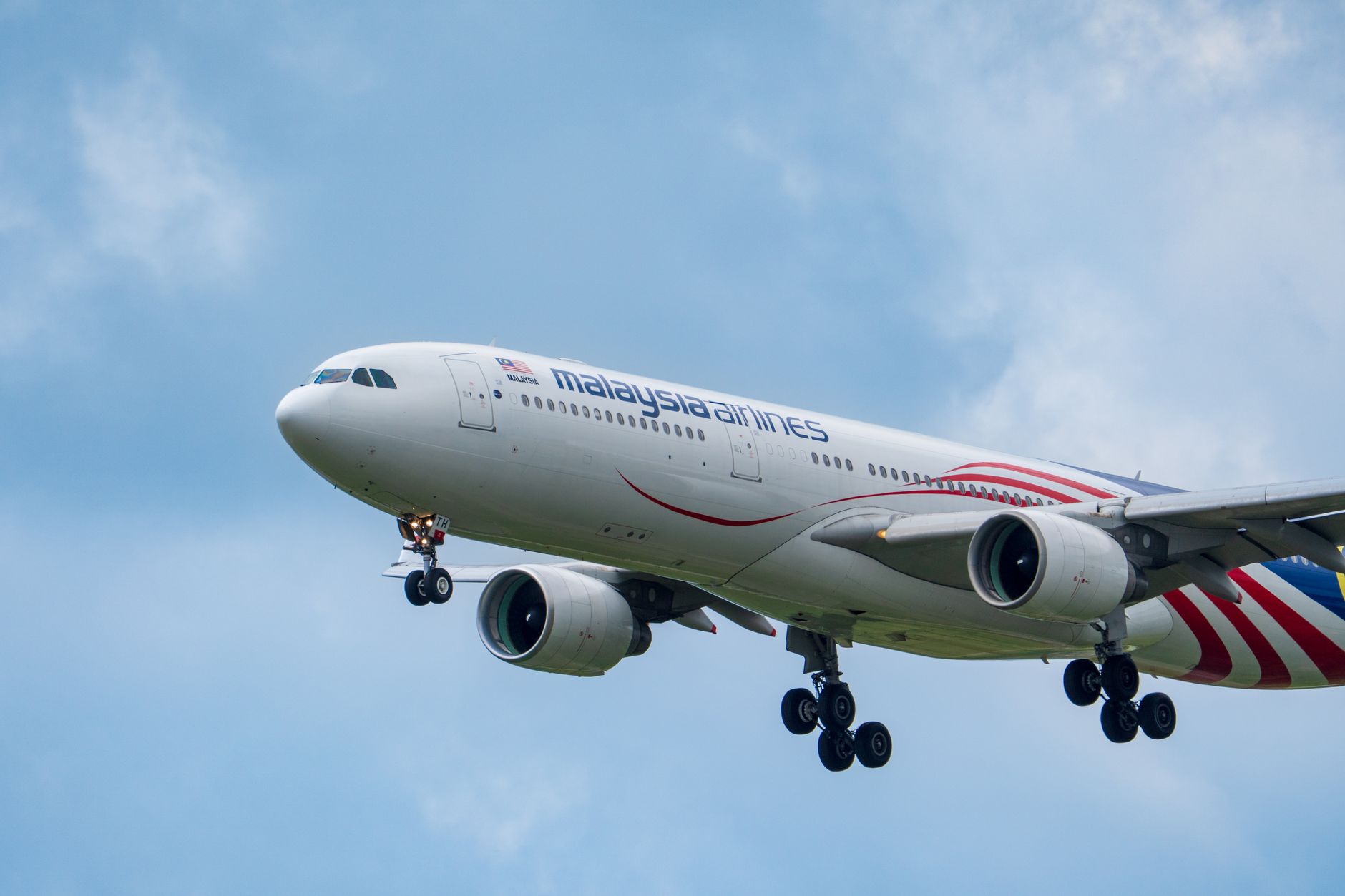
Malaysia Airlines emergency landing occurred when a flight bound for Jeddah had to divert to Chennai due to engine failure. This incident raises important safety questions for travelers.
What Happened During the Flight
On a routine flight from Jeddah to Kuala Lumpur, Malaysia Airlines faced a critical situation when one of its engines failed mid-air. The incident occurred shortly after takeoff, prompting the flight crew to make an emergency landing in Chennai. Passengers onboard reported moments of panic as the aircraft began to shake and lose altitude. The pilots quickly assessed the situation and communicated with air traffic control to secure a safe landing.
Flight MH123, carrying over 200 passengers, successfully landed without any injuries reported. However, the unexpected engine failure raised concerns about the safety protocols in place. Passengers described the experience as harrowing yet were relieved by the professionalism displayed by the flight crew.
In the aftermath of the emergency landing, Malaysia Airlines released a statement acknowledging the incident and assuring the public that an investigation would be conducted. Passengers were offered assistance and alternative travel arrangements following the emergency landing. The airline emphasized its commitment to safety and adherence to aviation regulations to prevent similar occurrences in the future.
- Emergency landing executed in Chennai
- Engine failure reported shortly after takeoff
- No injuries among passengers
Details of the Emergency Landing
On the afternoon of October 15, 2023, passengers aboard a Malaysia Airlines flight experienced a tense situation as the aircraft made an emergency landing in Chennai due to an unexpected engine failure. The flight, which was en route to Jeddah, encountered difficulties shortly after takeoff, prompting the pilots to declare an emergency.
According to reports, the crew acted swiftly and effectively, ensuring the safety of all onboard. Passengers reported feeling a sudden drop in altitude, followed by an announcement from the captain regarding the engine malfunction. Many were understandably anxious, but the professionalism of the flight crew helped to maintain a sense of calm.
Upon landing safely at Chennai International Airport, emergency services were on standby to assist the aircraft. No injuries were reported among the 150 passengers and crew members. Malaysia Airlines has since issued a statement, expressing gratitude to the crew and ground staff for their prompt actions during this critical situation.
Investigations are currently underway to determine the exact cause of the engine failure, and the airline is cooperating fully with aviation authorities. This incident marks a significant moment for Malaysia Airlines, highlighting the importance of safety protocols during emergencies.
Passenger Reactions to the Incident
Passengers aboard the Malaysia Airlines flight expressed a mix of relief and anxiety following the emergency landing in Chennai. Many recounted the moments of uncertainty as the aircraft experienced engine failure during its journey to Jeddah.
One passenger, Aisha Rahman, described the situation as “terrifying.” She stated, “We could hear the engines sputtering, and the flight attendants remained calm, but it was hard not to panic.” Others echoed her sentiments, sharing that the cabin grew tense as the crew prepared for the emergency landing.
Another traveler, Mohamed Ali, noted, “When we landed, there was a collective sigh of relief. We were all just grateful to be on the ground.” Passengers were quick to commend the pilots and crew for their professionalism during the crisis. “I have so much respect for them; they handled everything with such composure,” said Fatima Hassan.
Following the ordeal, many passengers spoke with authorities to share their experiences, highlighting the importance of communication during such emergencies. The incident serves as a reminder of the challenges faced in air travel, particularly with the recent Malaysia Airlines emergency landing.
Safety Protocols in Air Travel
In the wake of the recent Malaysia Airlines emergency landing due to engine failure, it is essential to understand the safety protocols that govern air travel. Airlines worldwide adhere to stringent regulations designed to protect passengers and crew during unexpected situations.
One critical aspect of these protocols includes regular maintenance checks on aircraft. Airlines are required to conduct thorough inspections of engines, systems, and components to ensure they meet safety standards. Additionally, pilots undergo extensive training, which includes simulations of emergency scenarios. This training prepares them to handle critical situations efficiently and effectively.
Furthermore, airlines implement safety briefings before each flight, where passengers are informed of emergency procedures, including the location of exits and the use of life vests. These briefings are crucial in helping passengers remain calm and informed during an emergency.
Lastly, international aviation authorities continuously review and update safety regulations to respond to advancements in technology and lessons learned from past incidents. By prioritizing these protocols, the aviation industry aims to enhance safety and minimize risks associated with air travel.
Future Implications for Malaysia Airlines
The recent emergency landing of a Malaysia Airlines flight in Chennai has raised concerns regarding the airline’s operational safety and future implications. As aviation authorities investigate the engine failure, there are several factors that could impact Malaysia Airlines moving forward.
Firstly, this incident may lead to a reassessment of the airline’s maintenance protocols. Ensuring that all aircraft undergo rigorous checks is essential to prevent similar occurrences in the future. Additionally, Malaysia Airlines might face increased scrutiny from regulatory bodies, which could result in more stringent oversight of their operations.
Secondly, passenger confidence could be affected. Frequent flyers may reconsider their choice of airline, leading to a potential drop in ticket sales. To mitigate this, Malaysia Airlines will need to implement a robust communication strategy, emphasizing their commitment to safety and reliability.
Finally, this event could prompt the airline to invest in advanced technology that enhances engine performance and safety features. By proactively addressing these issues, Malaysia Airlines can not only strengthen its reputation but also ensure a safer travel experience for its passengers in the future.
The recent Malaysia Airlines emergency landing in Chennai has raised concerns about the safety protocols in place for aircraft maintenance. Passengers aboard the flight reported a sense of relief after the Malaysia Airlines emergency landing was executed smoothly by the experienced crew.
Photo by Wei86 Travel on Pexels